
When a painful tooth needs more than a filling, the choice can feel difficult: try to save it, or have it removed? The answer depends on what is damaged, how much healthy tooth remains and whether the tooth can function reliably after treatment. This guide helps you prepare for that conversation, rather than choose a procedure from symptoms alone.
What Is the Difference?
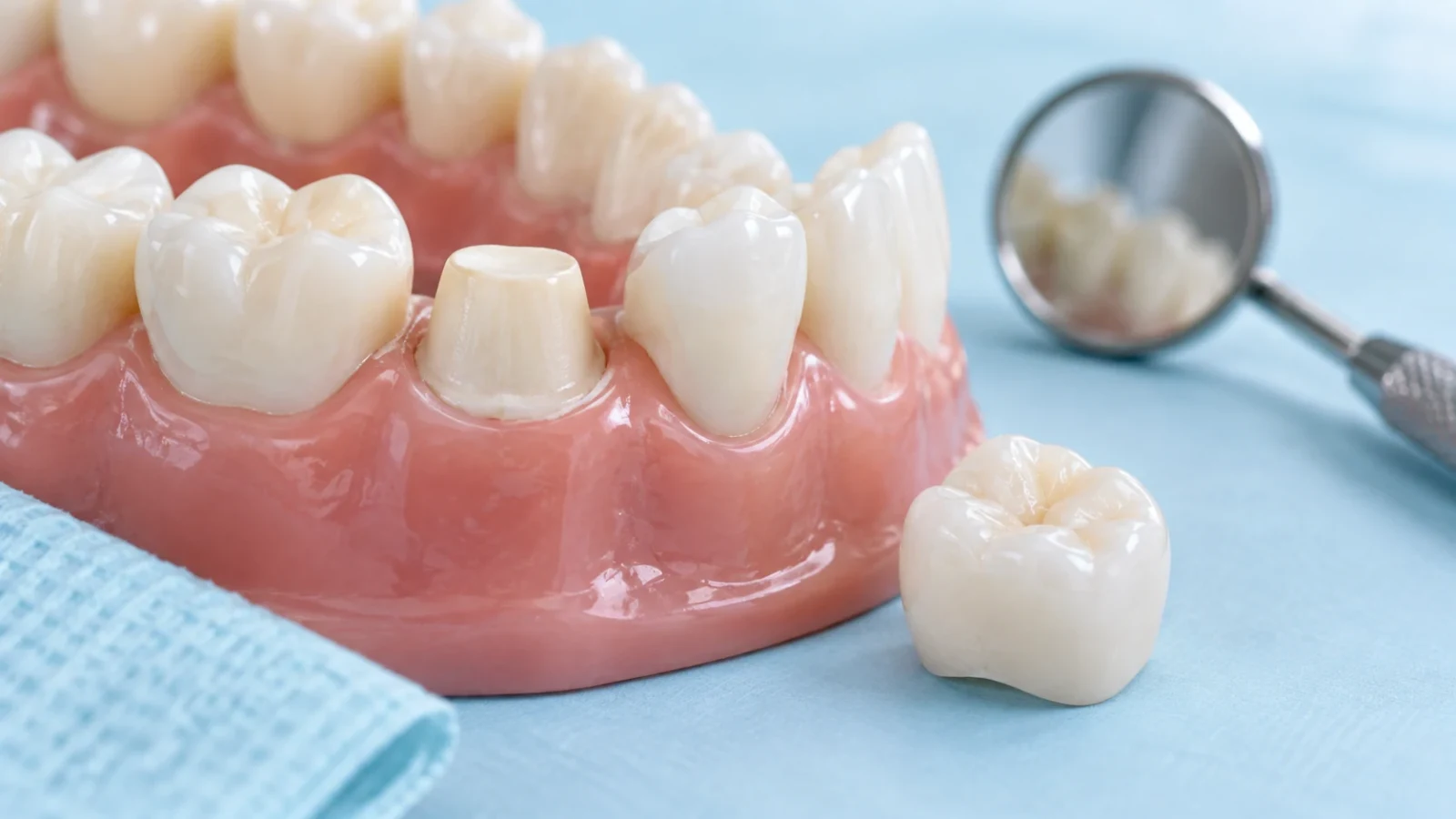
Root canal treatment works inside the tooth: the dentist removes affected pulp, cleans the canals and seals them. The tooth stays in place and needs an appropriate filling or crown afterwards. Extraction removes the tooth. It may resolve the problem in a tooth that cannot be repaired, but it also creates a separate question about the space left behind.
A recommendation to have a root canal is therefore a plan to retain a tooth, not simply to stop pain. A recommendation for extraction should explain why keeping that particular tooth is unlikely to be a sound option.
When Might a Tooth Be Saved?
A dentist considers the condition of the roots, remaining tooth structure and supporting bone. A severely fractured root, inadequate support or damage that prevents a reliable restoration can limit what is possible. An examination and relevant dental X-rays help inform the decision.
- Ask whether the tooth can be restored after the infection is treated.
- Ask what the expected outlook is for this tooth, rather than for root canals in general.
- If the answer is uncertain, ask whether an endodontist's opinion would help.
Compare the Complete Treatment Plans
| Question | Root canal and restoration | Extraction and next steps |
|---|---|---|
| What happens to the tooth? | It remains in the mouth. | It is removed. |
| What should the plan include? | Canal treatment and the final filling or crown. | Removal, healing reviews and a discussion about the gap. |
| What should the quote cover? | All stages required to restore this tooth. | Removal and any proposed replacement treatment. |
| What should you ask about? | Restorability, prognosis and follow-up. | Healing, replacement choices and their suitability. |
Ask for a written, itemised plan for both suitable options. Comparing the price of extraction alone with the price of a completed root canal and crown can give a misleading picture. Include the appointments you can attend, any replacement being proposed and the care each option will need.
What Happens If the Tooth Is Removed?
A missing tooth may be replaced with an implant, bridge or removable option, depending on the situation. An implant involves treatment beyond the extraction itself; it is not an automatic substitute for every tooth. Discuss whether replacement is needed in your case and how it fits with the health of neighbouring teeth and your overall treatment plan.
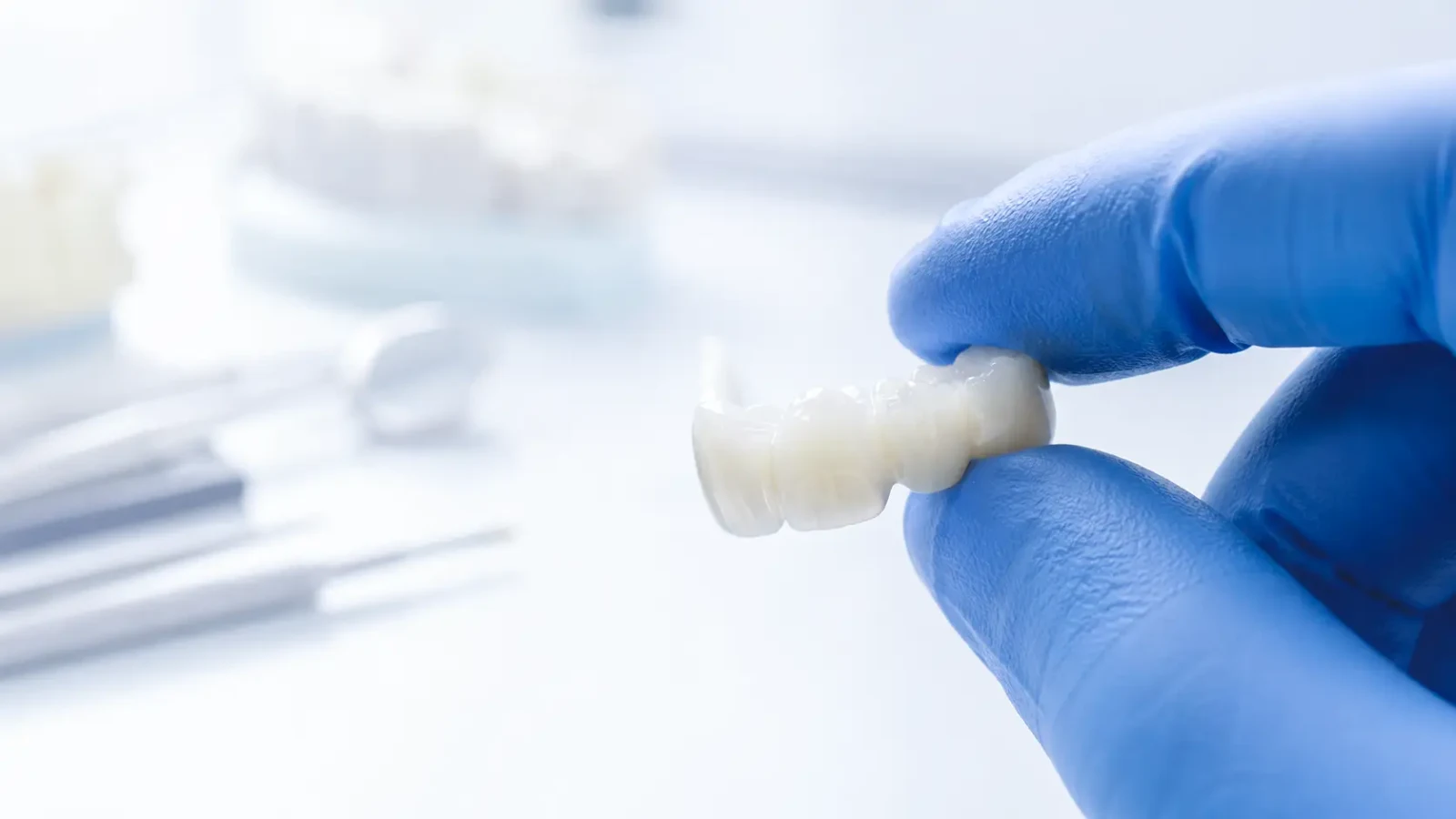
Before consenting, ask: “If we remove this tooth, what happens next?” That question is especially useful when a proposal only describes the immediate procedure. Our guide to dental bridges explains another option you may be asked to consider.
Comfort, Recovery and Your Routine
Root canal treatment normally uses local anaesthetic. Temporary tenderness can occur afterwards, and a final restoration remains an important part of treatment. After extraction, the socket needs to heal. Follow the instructions given for your procedure, rather than assuming the aftercare is interchangeable.
Tell your dentist if fear is influencing your choice. Discuss how discomfort will be managed, how to signal for a pause and what to expect during the visit. Read our dental anxiety guide and ask about the arrangements available at your appointment.
Questions to Take to Your Appointment
- What is the diagnosis, and can you show me the area of concern?
- Can this tooth be restored, and what would affect its prognosis?
- What are the suitable alternatives, including a specialist opinion?
- Does the estimate include the crown or any proposed replacement?
- What follow-up is needed, and when should I contact you after treatment?
Frequently Asked Questions
Is extraction always better value than a root canal?
Compare complete plans, not just the first procedure. Ask for estimates that include the final restoration after a root canal or any replacement proposed after extraction. The appropriate choice also depends on the tooth's outlook and your circumstances.
Does every root canal need a crown?
The final restoration depends on the tooth and how much structure remains. A crown may be recommended, but your dentist should explain what is needed for your particular tooth. Do not leave the restoration stage out of the plan.
Can I ask for a second opinion before an extraction?
Yes. Ask whether a specialist assessment could clarify the options, especially if saving the tooth is uncertain. If you have symptoms of a spreading infection, seek urgent assessment while arranging that discussion.
Does a previously treated tooth always need removing if it causes trouble again?
Not necessarily. Retreatment or endodontic surgery can sometimes help. An assessment is needed to establish the cause and decide whether further treatment is appropriate.
How do I decide which option is right for me?
Discuss the diagnosis, expected outcome, complete cost and follow-up for each suitable option. Ask your dentist to explain the recommendation in plain language and allow time for your questions.
Final Takeaway
The best decision starts with knowing whether the tooth can be predictably restored. Bring your questions, ask for the full plan and make the choice with a dentist who has examined you.
Discuss Your Treatment Options at The Dentart
For an assessment in Sarjapura, request an appointment or call +91 7411621116. Bring any previous X-rays or treatment records available to you.
You May Also Find Helpful
- Root Canal Treatment: What to Expect, Step by Step
- Tooth Extraction: When It's Needed and How to Recover
- Dental Crowns: Types, Procedure & Aftercare
Sources and Further Reading
Book a Consultation
It’s easy and free!