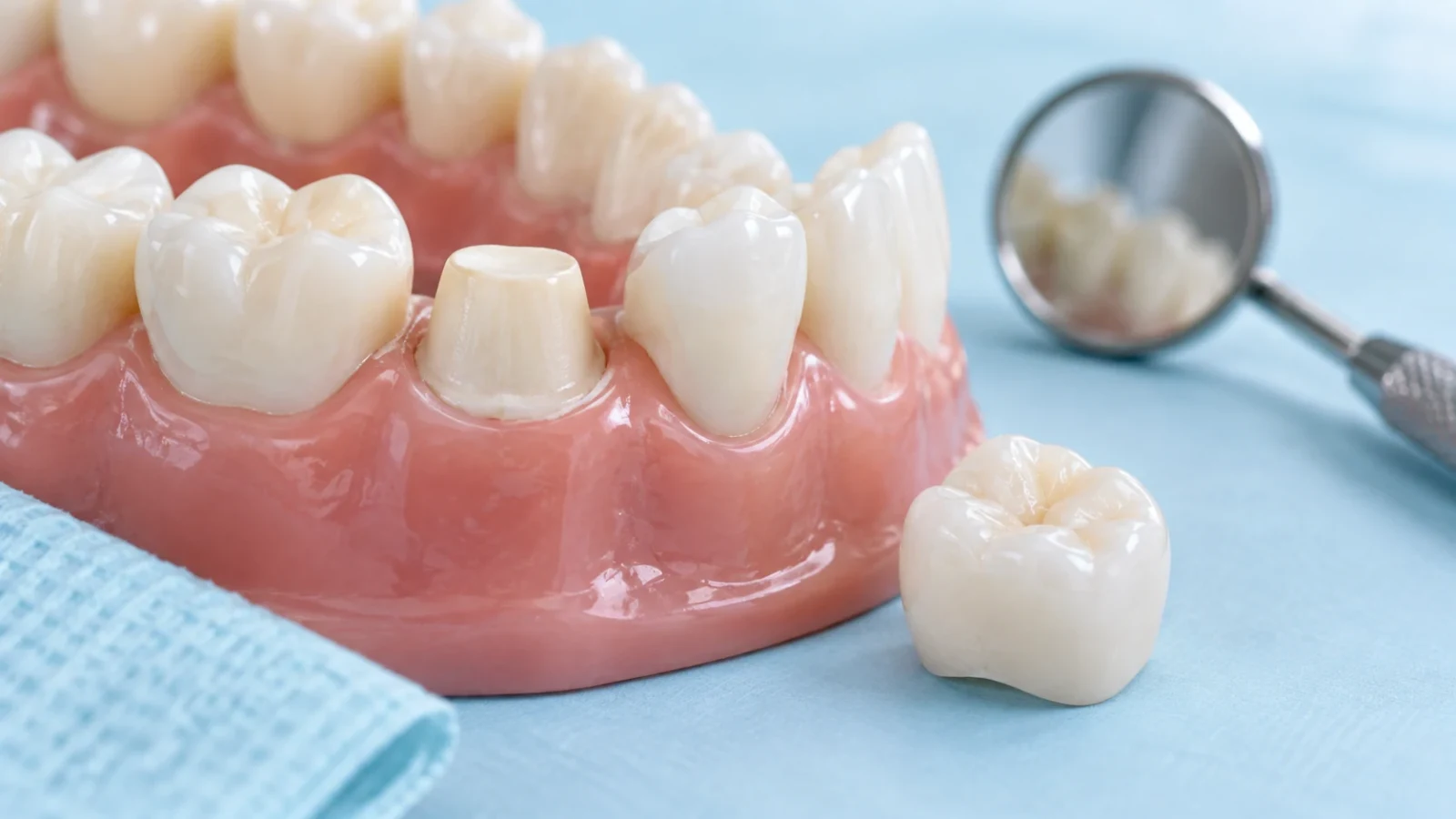

Root canal treatment has a fearsome reputation it doesn’t deserve. In reality it’s a routine procedure that relieves pain by removing infection from inside a tooth - and it lets you keep your natural tooth instead of losing it. Here’s exactly what happens, step by step, and what to expect afterwards.
Most root canals are needed because of deep decay that reaches the nerve. Preventing decay in the first place is far easier - see our guide to preventing cavities for the daily habits that help.
Why You Might Need One
- Deep decay that has reached the tooth’s nerve (pulp)
- A cracked or broken tooth exposing the pulp
- A long-standing large filling that has reached the nerve
- An abscess (infection) at the root tip
- Trauma to a tooth, even without visible damage
Signs That Point to a Root Canal
- Lingering pain after hot or cold food and drinks
- A persistent, throbbing toothache, sometimes worse at night
- Pain on biting or pressure
- A pimple-like bump on the gum, or swelling
- A tooth that has darkened in colour
What Happens During Treatment
- Numbing - the area is fully anaesthetised, so it feels like a normal filling
- Cleaning - the infected pulp is removed and the canals are disinfected
- Filling - the cleaned canals are sealed with a biocompatible material
- Restoring - the tooth is rebuilt, usually with a crown for strength
Key fact: A root-canal-treated back tooth usually needs a crown afterwards. Without one, the tooth becomes brittle and can fracture - sometimes beyond repair. Skipping the crown is the most common reason a successfully treated tooth is later lost.
Root Canal vs Extraction at a Glance
| Factor | Root Canal | Extraction |
|---|---|---|
| Keeps natural tooth | Yes | No |
| Chewing function | Preserved | Needs replacement |
| Neighbouring teeth | Unaffected | May shift over time |
| Follow-up | Crown | Implant/bridge later |
| Long-term value | High | Lower if not replaced |
⚠ Important: Don’t ignore an abscess or rely on painkillers when toothache settles - the infection is still there and can spread to the jaw and beyond. Persistent or severe dental pain, facial swelling, or fever needs prompt professional care.
In pain or worried about a tooth?
The team at The Dentart, Sarjapura, Bengaluru can assess the tooth, relieve your pain, and explain your options clearly. Book an appointment - we’ll make it comfortable.
Frequently Asked Questions
The questions our patients in Sarjapura ask most about root canals.
Is a root canal painful?
No - it’s done under local anaesthetic and feels like a filling. It relieves the pain you came in with. Mild tenderness for a few days afterwards is normal.
How long does it take?
Most teeth are completed in one or two visits, depending on the tooth and the level of infection.
Will the tooth last?
With a proper crown and good oral hygiene, a root-canal-treated tooth can last many years - often a lifetime.
Can I just have the tooth pulled instead?
You can, but keeping your natural tooth is usually better for chewing and for keeping neighbouring teeth in place. Extraction means planning a replacement.
What should I eat afterwards?
Stick to soft foods and avoid chewing on that side until the tooth is fully restored, especially before the crown is fitted.
Final Takeaway
A root canal isn’t something to fear - it’s the treatment that ends the pain and saves your tooth. The key to long-term success is finishing the job: protecting the tooth with a crown and keeping up good oral hygiene. Caught early, most teeth can be saved comfortably.
If a tooth is sensitive, aching, or swollen, book an appointment at The Dentart, Sarjapura, and we’ll help right away.
You May Also Find Helpful
Book a Consultation
It’s easy and free!