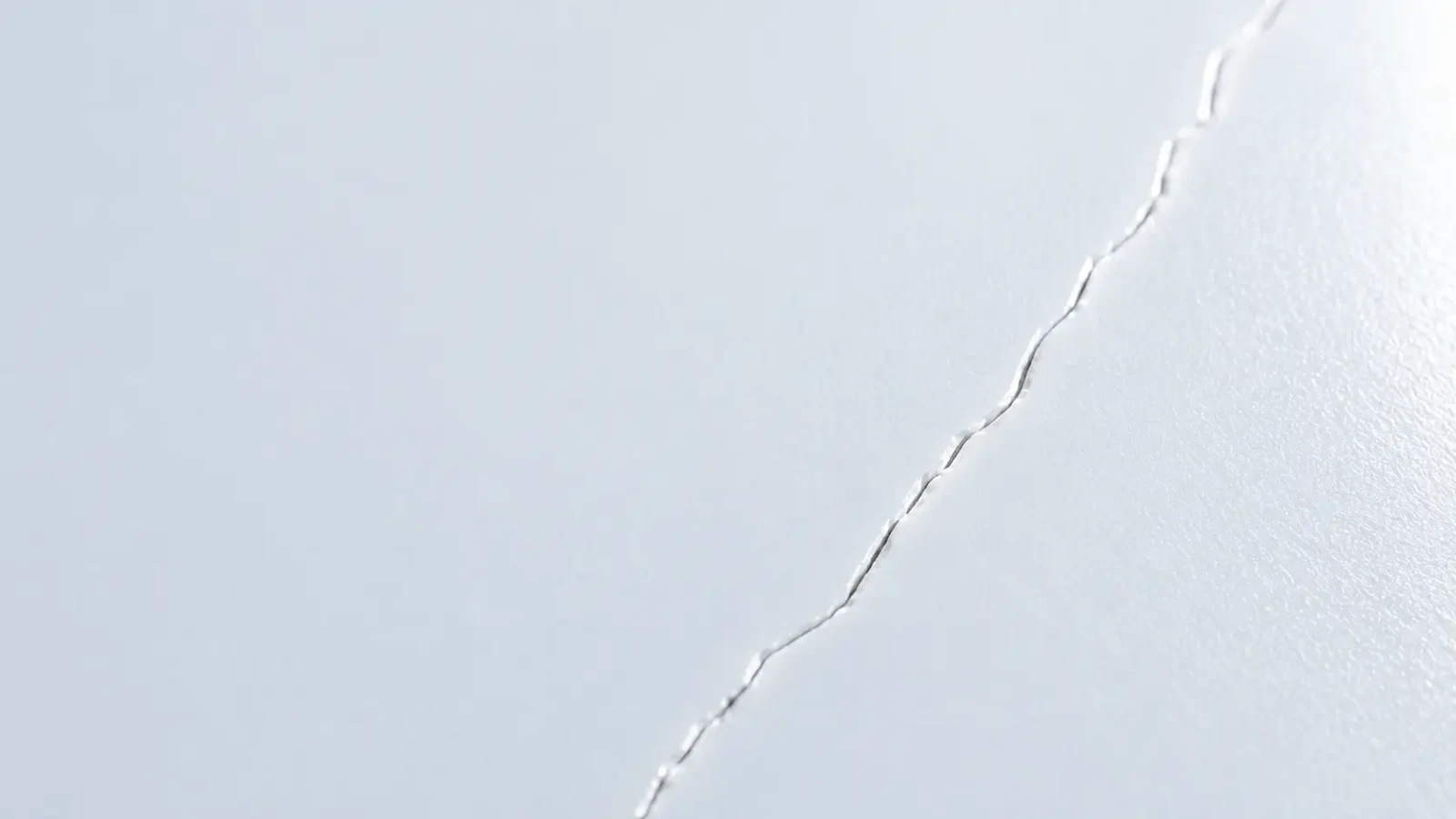
A cracked tooth can be surprisingly hard to spot - the crack may be invisible, and the pain often comes and goes. Left untreated, small cracks can grow until the tooth splits or becomes infected. Catching them early gives the best chance of saving the tooth. Here’s how to recognise the signs and what treatment involves.
A cracked tooth can flare into severe pain if the crack reaches the nerve. If that happens, our root canal guide explains the treatment that can still save it.
What Causes Teeth to Crack
- Biting on something hard - ice, nuts, popcorn kernels, bones
- Teeth grinding or clenching over time
- Large old fillings that weaken the remaining tooth
- A sudden blow or injury to the mouth
- Sudden temperature changes - very hot then very cold
- Natural wear as teeth age
Signs You Might Have a Cracked Tooth
- Sharp pain on biting - often as you release, not just as you press
- Sensitivity to hot, cold, or sweet that comes and goes
- Pain that’s hard to pinpoint to one exact tooth
- Discomfort that’s intermittent rather than constant
- Occasionally, no symptoms at all until it worsens
Types of Crack and How They’re Treated
- Craze lines - tiny surface cracks in the enamel; harmless, cosmetic only
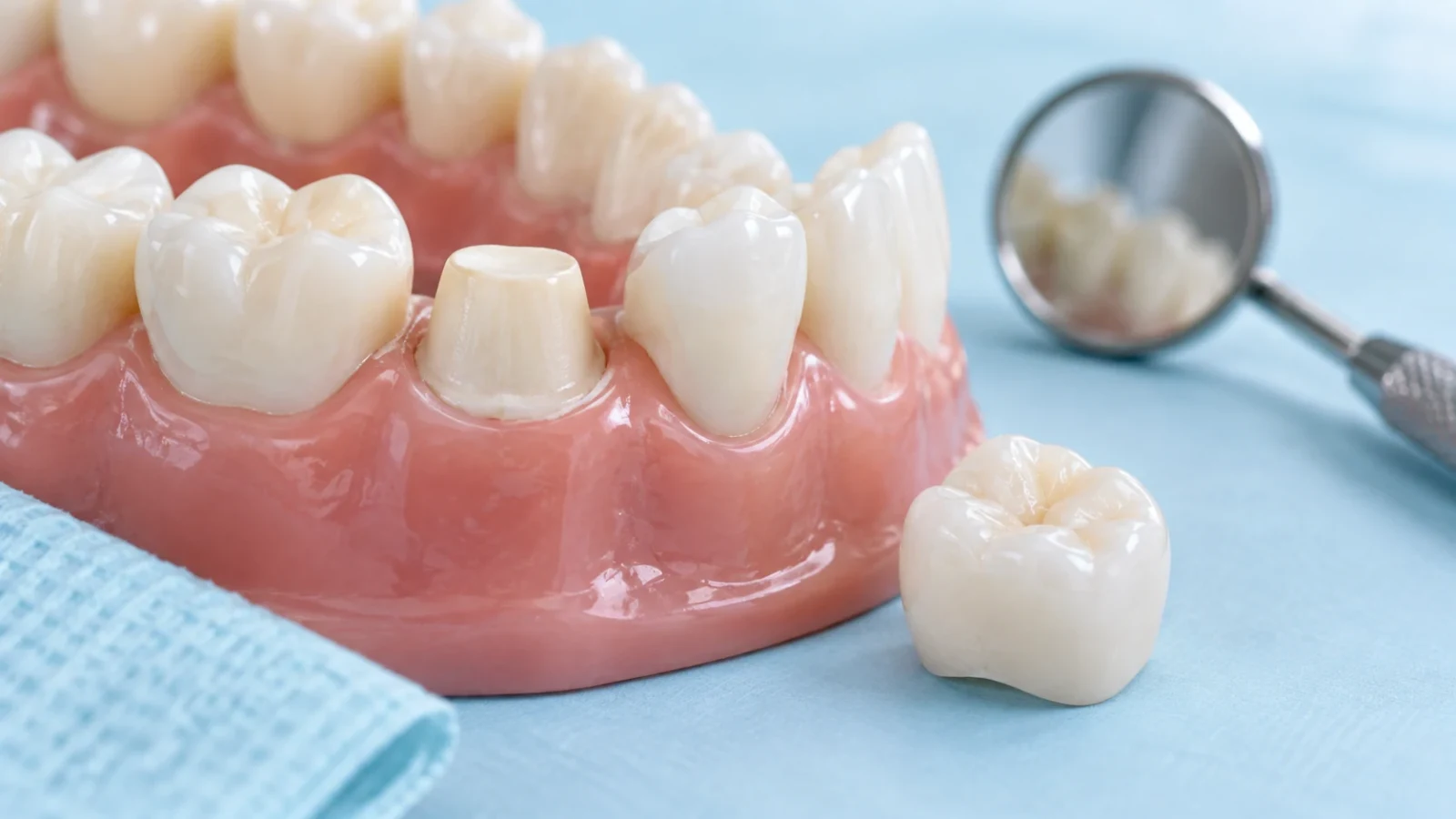
- Cracked tooth - extends toward the nerve; often needs a crown, sometimes a root canal
- Fractured cusp - a piece breaks off; usually repaired with a filling or crown
- Split tooth - the tooth divides; may be partly savable or need removal
- Vertical root fracture - starts in the root; often needs extraction
Key fact: A cracked tooth rarely heals on its own - unlike a broken bone. The crack tends to spread with continued chewing, so the earlier it’s treated, the more likely the tooth can be saved with a simple crown rather than lost.
Crack Types at a Glance
| Type | Usual Treatment |
|---|---|
| Craze lines | None needed (cosmetic) |
| Cracked tooth | Crown, sometimes root canal |
| Fractured cusp | Filling or crown |
| Split tooth | Partial save or extraction |
| Vertical root fracture | Often extraction |
⚠ Important: If a tooth hurts sharply when you bite and then release, don’t wait for it to settle - that’s a classic sign of a crack that will only worsen with continued chewing. Avoid chewing on that side and see a dentist promptly.
Sharp pain when you bite?
Don’t let a small crack become a lost tooth. Book an appointment at The Dentart, Sarjapura, Bengaluru - we’ll find the crack and treat it while the tooth can still be saved.
Frequently Asked Questions
Cracked tooth questions our patients in Sarjapura ask most.
How do I know if my tooth is cracked?
The classic sign is a sharp pain when biting that eases when you release, along with come-and-go sensitivity. A dentist can confirm it with tests and sometimes special dye or magnification.
Can a cracked tooth heal itself?
No. Teeth don’t repair like bone. Cracks tend to spread, so prompt treatment gives the best chance of saving the tooth.
Will I need a root canal?
Only if the crack reaches the nerve. Many cracked teeth are saved with a crown that holds the tooth together before it gets that far.
Why can’t the dentist see the crack on an X-ray?
Many cracks run in a direction X-rays don’t capture. Diagnosis often relies on your symptoms, a bite test, and close examination.
What happens if I ignore it?
The crack usually spreads until the tooth splits or becomes infected - at which point it may need extraction instead of a simple repair.
Final Takeaway
Cracked teeth are sneaky - hard to see, with pain that comes and goes - but they don’t heal and they do spread. The message is simple: sharp pain on biting means get it checked quickly. Caught early, most cracked teeth are saved with a crown; left alone, they’re often lost.
Book an appointment at The Dentart, Sarjapura, and protect your tooth before a crack spreads.
You May Also Find Helpful
Book a Consultation
It’s easy and free!