Cavities are among the most common health problems in the world - and almost entirely preventable. They form when plaque bacteria turn sugars into acid that slowly dissolves your enamel. The good news: a few consistent daily habits stop most cavities before they ever start. Here’s a practical, no-nonsense plan.
Cavities and gum problems often go hand in hand, because both start with plaque. For the gum side of the story, read our guide to bleeding gums and gum disease.
How Cavities Actually Form
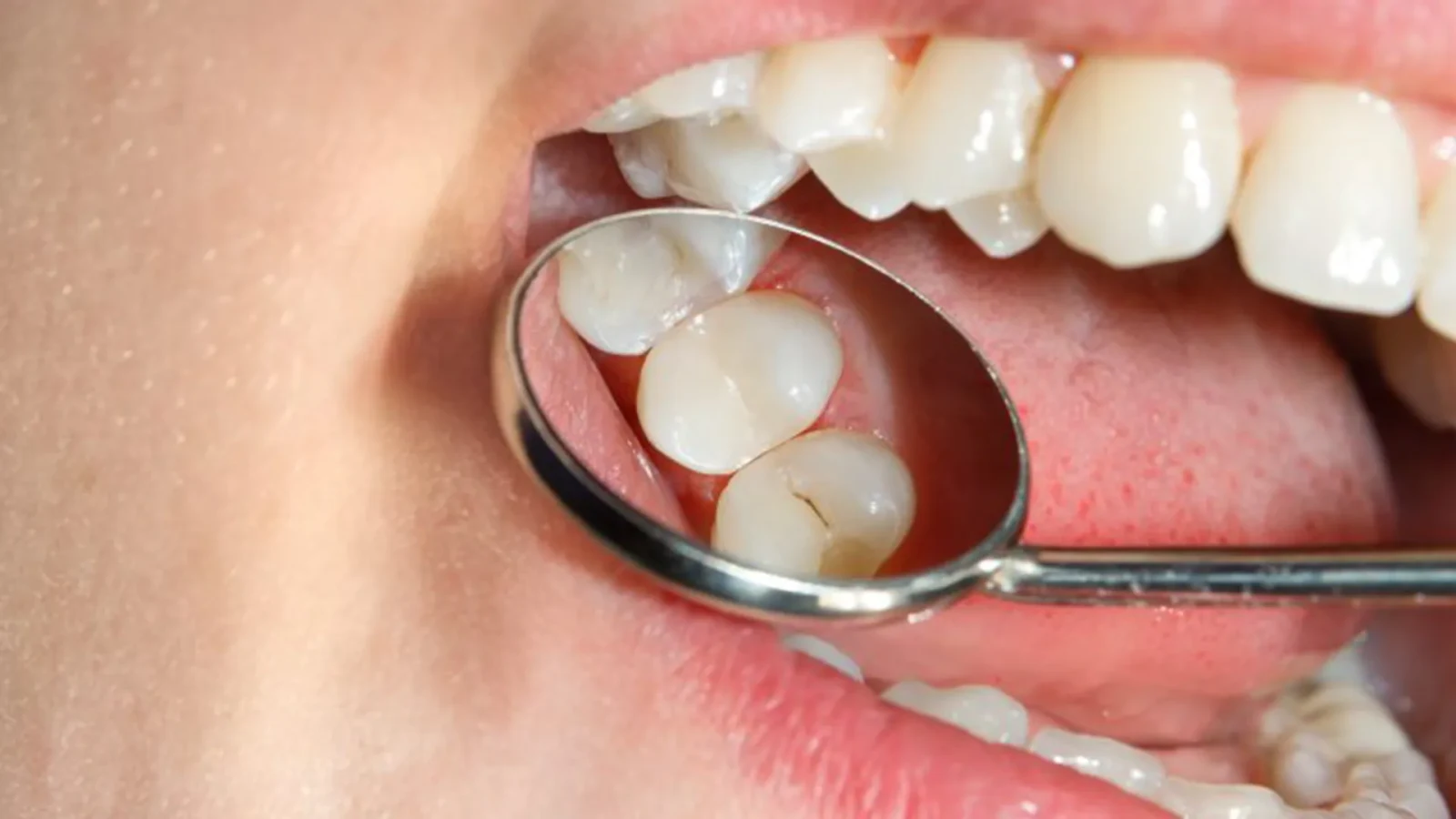
Plaque is a sticky film of bacteria that constantly builds up on teeth. Every time you eat or drink something sugary, those bacteria produce acid for around 20–30 minutes, pulling minerals out of the enamel. Your saliva slowly repairs the damage - but if acid attacks happen too often, the loss outpaces the repair and a cavity forms.
Your Daily Cavity-Prevention Routine
- Brush twice a day for two minutes with fluoride toothpaste
- Don’t rinse straight after brushing - spit out so fluoride keeps working
- Floss once a day to clean the surfaces a brush can’t reach
- Limit sugary snacks and drinks, especially between meals
- Drink water, particularly after sweet or acidic foods
Smart Food & Drink Habits
- It’s the frequency of sugar, not just the amount, that drives decay
- Sipping sweet tea, coffee, or soft drinks all day is especially harmful
- Finish sweets with a meal rather than grazing on them
- Cheese, nuts, and crunchy vegetables make good tooth-friendly snacks
Key fact: Fluoride toothpaste is the single most proven way to prevent cavities at home. After brushing, spit but don’t rinse with water - leaving a thin film of fluoride on the teeth helps repair early damage before it becomes a cavity.
Habits That Help vs Harm at a Glance
| Helps Protect Teeth | Raises Cavity Risk |
|---|---|
| Fluoride toothpaste, twice daily | Skipping night-time brushing |
| Drinking water through the day | Sipping sugary drinks for hours |
| Daily flossing | Never cleaning between teeth |
| Sugary treats with meals | Constant snacking on sweets |
| Regular check-ups | Only visiting when in pain |
⚠ Important: Early cavities cause no pain at all - by the time a tooth hurts, decay is often well advanced and may need a filling or root canal. Regular check-ups catch decay while it’s still tiny and easy (and cheap) to treat.
When did you last have a check-up?
A quick visit to The Dentart, Sarjapura, Bengaluru can catch small problems before they grow. Book a check-up and clean - prevention is always easier than repair.
Frequently Asked Questions
Cavity-prevention questions our patients in Sarjapura ask most.
How often should I really brush and floss?
Brush twice a day for two minutes and floss once daily. Night-time brushing is the most important - don’t skip it.
Is mouthwash necessary?
It’s a helpful extra, not a replacement for brushing and flossing. A fluoride mouthrinse can benefit higher-risk people - ask your dentist.
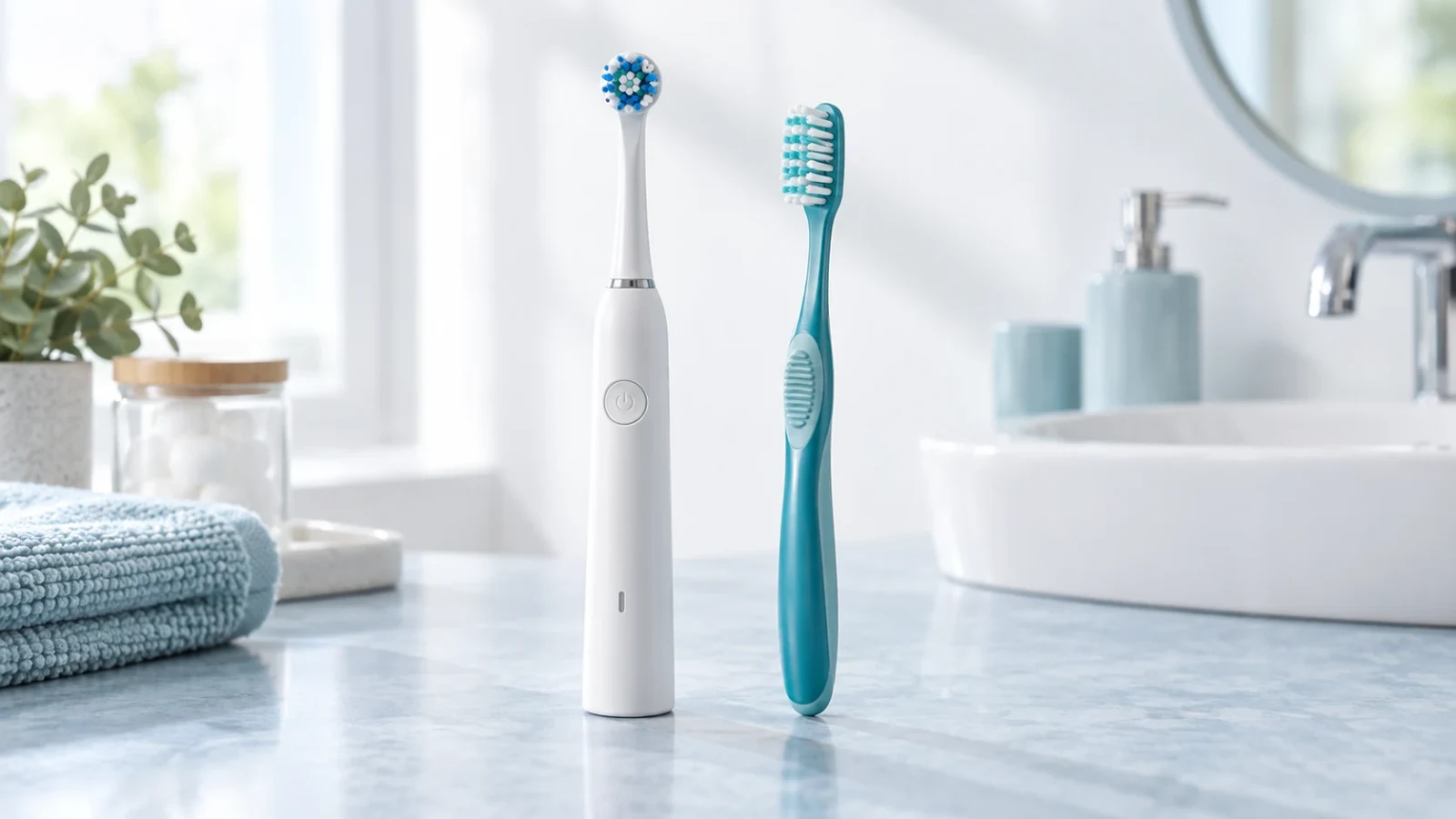
Are electric toothbrushes better?
They can make plaque removal easier and more consistent, especially with the right technique. A manual brush used well also works.
Do children need fluoride toothpaste?
Yes, in an age-appropriate amount. Supervise young children’s brushing and ask us about the right quantity.
How often should I get a check-up?
Most people benefit from a check-up every six months, though your dentist may suggest more or less often based on your risk.
Final Takeaway
Preventing cavities isn’t complicated: brush twice a day with fluoride, floss daily, keep sugary snacking to a minimum, and see your dentist regularly. Because early decay is painless, those check-ups are what catch problems while they’re still small. A little consistency saves a lot of trouble later.
Book a check-up and clean at The Dentart, Sarjapura, and keep your smile healthy for the long run.
You May Also Find Helpful
Book a Consultation
It’s easy and free!