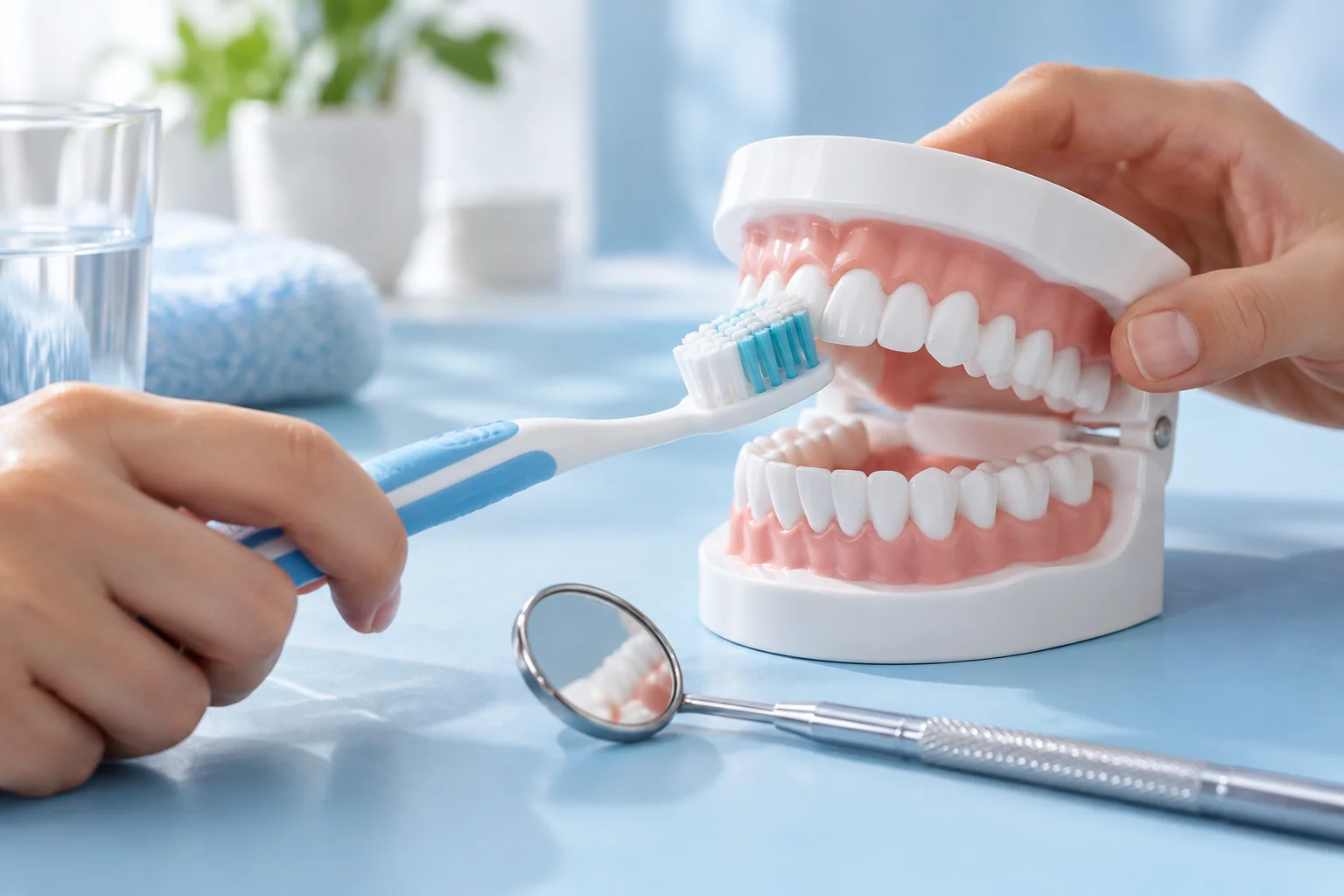

Has your dentist recommended a cleaning and mentioned the possibility of deeper treatment? The terms scaling and deep cleaning are sometimes used interchangeably, but the recommended care depends on what the examination shows about your gums.
Here is how routine preventive cleaning differs from scaling and root planing, what happens at an appointment, and why follow-up matters.
What is scaling?
Scaling is the removal of plaque and hardened deposits called calculus or tartar from tooth surfaces. A professional cleaning can include scaling around and above the gumline, depending on your needs. Polishing may also be offered to remove some surface stains and leave the teeth feeling smooth.
Brushing and cleaning between teeth each day help control plaque, but hardened tartar generally needs professional removal. Your dentist can decide how frequently to review your teeth and gums rather than applying one schedule to everyone.
What is deep cleaning?
Deep cleaning commonly refers to scaling and root planing, a treatment used for gum disease when deposits and inflammation extend below the gumline. The clinician removes deposits from affected root surfaces and cleans those surfaces to support gum healing. The treatment plan depends on the examination, the extent of disease and your medical history.
A deep cleaning is not automatically required because your gums bleed once. Bleeding can have several causes. A dental assessment helps establish what is happening and which treatment is appropriate.
How do the two compare?
| Question | Routine cleaning | Scaling and root planing |
|---|---|---|
| Main aim | Remove deposits and support prevention | Clean affected areas below the gums as part of gum disease treatment |
| Assessment | Guided by your dental and gum examination | Guided by the location and extent of gum disease |
| Visits | Varies with the individual | May be divided into more than one visit |
| Follow-up | Regular review and daily care | Review of gum healing and ongoing maintenance |
How does a dentist decide?
Your clinician examines the gums, checks for bleeding and deposits, and may measure the spaces between your teeth and gums. X-rays may be advised when needed to assess supporting bone. These findings, together with your history and risk factors, help determine whether routine cleaning, deeper treatment or another approach is suitable.
Ask your dentist to explain the findings in plain language, including which areas need care, the expected number of visits, costs and any alternatives.
What should you expect during treatment?
Instruments are used to remove deposits. Deeper treatment may be carried out in sections, and a local anaesthetic may be offered to make the visit more comfortable. Tell your clinician if you feel discomfort so they can pause and discuss options.
Aftercare and sensitivity
Your gums may feel tender and teeth may be temporarily sensitive after a deeper cleaning. Follow the individual instructions provided by your clinician, clean gently and keep any review appointment. Contact the clinic if discomfort is severe, worsens or does not settle as expected.
Our guide to sensitivity after scaling explains practical questions to ask. Find out more about gum care at The Dentart.
What happens next?
Home care is an important part of maintaining gum health after either kind of cleaning. Brush twice daily with fluoride toothpaste and clean between teeth using an aid recommended for you. Your clinician will reassess your gums and discuss maintenance or additional treatment if areas remain unhealthy.
What is a periodontal pocket?
A small space naturally exists between each tooth and its surrounding gum. When gum disease progresses, inflammation and loss of support can make some of these spaces deeper. Your clinician may gently measure the spaces at several points around each tooth and record whether they bleed. The measurements are interpreted alongside the rest of your examination, not used as a diagnosis in isolation.
When deeper areas contain deposits, a toothbrush cannot reliably reach them. This is one reason scaling and root planing may be recommended. Your dentist can show you which sites need attention and explain how the findings will be reviewed after treatment.
Planning time and costs
Before agreeing to a plan, ask whether the treatment will cover the whole mouth or selected areas, whether local anaesthetic is expected, and when your follow-up will take place. Fees and appointment lengths vary with the work required. Request an estimate from the clinic that reflects your examination rather than relying on a general online price.
If you have a medical condition, take regular medicines or have concerns about dental treatment, share those details with your clinician. They can explain any adjustments to the appointment and answer questions about recovery.
Frequently Asked Questions
Does everyone need deep cleaning?
No. The decision depends on a dental and gum assessment, including signs of disease below the gumline.
Is scaling and root planing the same as surgery?
It is a non-surgical treatment. Your dentist will explain whether it is appropriate and whether other care is needed.
How many visits will I need?
That depends on the areas being treated and your needs. Some people have treatment over more than one appointment.
Can gum disease return after treatment?
Gum disease needs ongoing care and review. Daily cleaning and the maintenance schedule recommended by your dentist help manage risk.
Further reading
Book a Consultation
It’s easy and free!