A loose bracket or sharp wire can be unsettling, especially when it happens between appointments. The first task is to check whether you have a minor appliance problem or symptoms that need urgent care. The second is to contact your treating orthodontist, who can advise what to do with your particular brace.
This guide covers practical preparation for that call and sensible ways to avoid further irritation. It does not replace instructions from your orthodontist and does not recommend repairing, gluing or cutting a brace yourself.
First, Check for an Emergency
If a part appears to have been inhaled, or you develop choking or breathing symptoms after a piece goes missing, seek emergency medical help. Do not delay while searching for the component or waiting for the orthodontic clinic to open.
Work Out What Has Changed Without Pulling on It
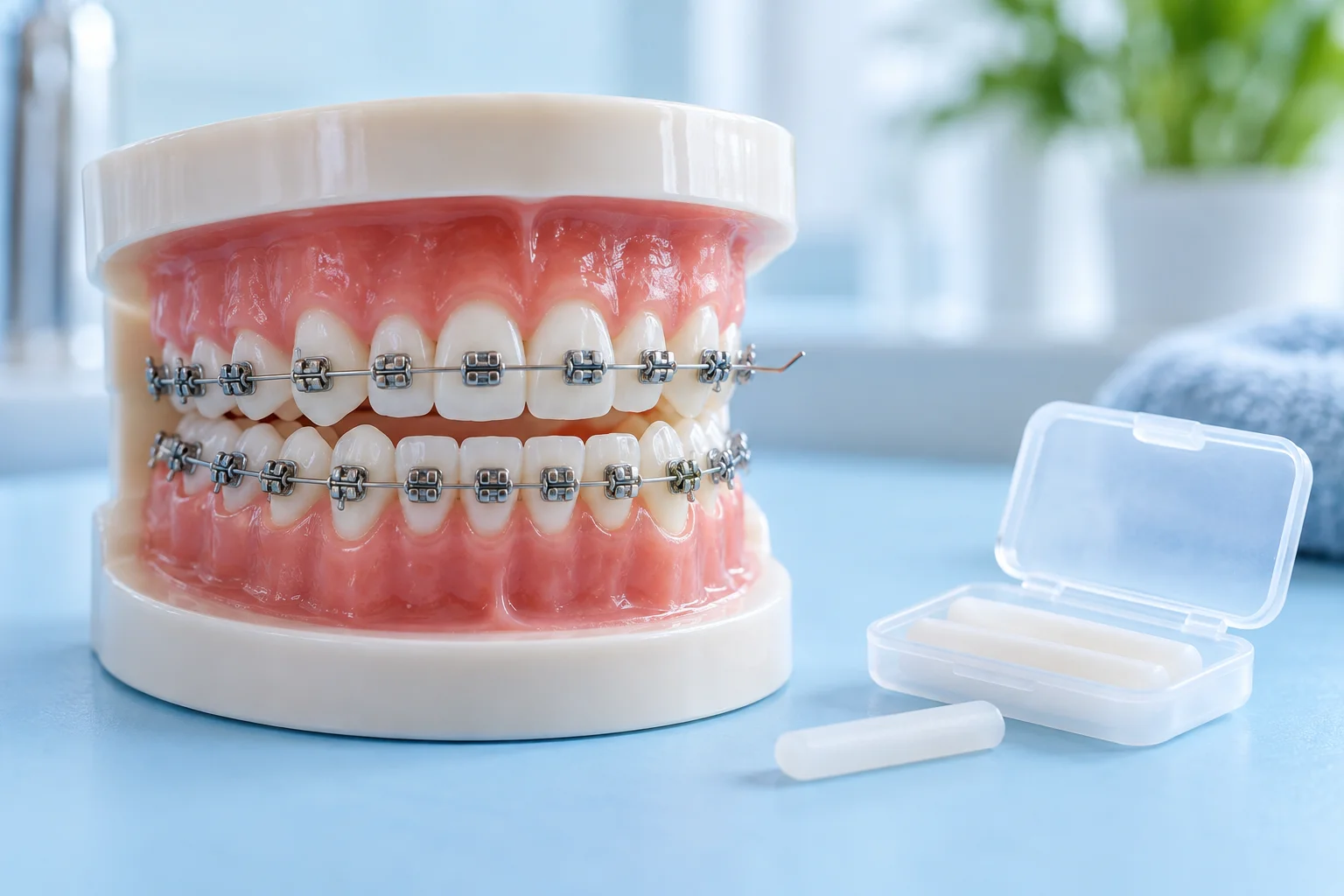
Use a mirror and good lighting to look at the area. A bracket is the small attachment bonded to a tooth. The archwire runs through the brackets. A band is a ring around a tooth, and small ties or clips may hold the wire in place.
You do not have to identify the correct technical name. “The square on my lower left tooth moves along the wire” gives the team useful information. Avoid repeatedly testing whether the part is loose; that can make a simple description harder to interpret and may increase irritation.
What to Tell Your Orthodontist
- When the problem started and whether it followed a knock or injury.
- Where the affected part is and whether it is still attached to the wire.
- Whether you have pain, bleeding, swelling or a sore area.
- Whether you can eat and close your mouth normally.
- Whether a component has come off or cannot be found.
If the practice asks for a photograph, follow its preferred contact process. A photograph can help with triage, but it cannot always show the position of the wire or the condition of the tooth underneath. Ask whether an appointment is needed before your next planned review.
If a Bracket Is Loose but Still on the Wire
Contact your orthodontist and leave the component alone unless they give you specific instructions. Do not use household glue, dental repair products bought online or force to reposition it. If a piece comes off completely and can be safely collected from your mouth, put it in a small container for the appointment.
A loose bracket does not automatically mean you need emergency medical treatment. It does mean your treating team needs to know. The advice depends on its position, any discomfort and the stage of your treatment.
If a Wire Is Rubbing Your Cheek
Orthodontic wax may provide a temporary barrier over an area that rubs. Ask the team how to use it with your appliance and follow the product instructions. Wax is a comfort measure while you arrange advice; it does not fix the cause of a displaced wire.
Choose foods that are comfortable to eat and avoid pressing or pulling on the sore area. Do not attempt to cut a wire or remove a component without guidance from your orthodontist. A wire embedded in tissue or pain that is difficult to manage needs prompt professional advice.
| What you notice | Useful next step |
|---|---|
| A bracket moves but remains attached | Describe its position and contact your orthodontist for repair advice. |
| A wire rubs the cheek | Ask about wax and whether a review is needed before your next appointment. |
| A band or appliance rocks | Do not keep wiggling it; tell the team which part moves. |
| A component has come off completely | Keep it safely if you can collect it, and bring it to the review. |
| An injury affects a tooth or the face | Seek urgent dental or emergency care according to the symptoms. |
Can You Wait Until the Next Adjustment?
Let the treating orthodontist make that decision. When you call, mention the date of your next appointment and any work, school or travel commitments that affect when you can attend. Do not assume that a painless breakage can be ignored simply because it is not rubbing.
Ask whether your existing instructions about elastics or other removable parts should change. Do not improvise a new arrangement to compensate for the broken part. If you are receiving treatment elsewhere, contact that team first because it holds your treatment plan.
Reduce the Chance of Another Breakage
Review eating and cleaning instructions with the orthodontic team. Hard or sticky foods can damage a fixed brace, so ask how to prepare everyday foods in a way that suits your appliance. If you play contact sports, discuss a suitable sports mouthguard.
Keep attending both orthodontic reviews and routine dental check-ups. Our brushing and flossing guide explains everyday cleaning principles; ask the team to demonstrate the tools that work around your brackets and wire.
Getting Advice in Sarjapura
For an appointment at The Dentart, contact the clinic and explain that you have a brace problem. You can read about Dr Neethu John and find directions to our Tindlu clinic. Appointment availability must be confirmed; the website is not an emergency response service.
Frequently Asked Questions
Is every loose bracket an emergency?
No. Some problems can be managed through a planned repair, but your orthodontist should decide the timing after hearing about the breakage and symptoms.
Can I glue the bracket back on?
No. Leave repair and rebonding to the orthodontic team. Household glue is not suitable for use on your brace or teeth.
What if the wire hurts but I cannot see the end?
Do not probe deeply or pull at the area. Contact the clinic, describe the discomfort and ask whether an assessment is needed promptly.
What if I also have swelling or a painful tooth?
Tell the dentist or orthodontist about those symptoms. Read our dental emergency guide; swelling and tooth injury need assessment beyond a routine appliance repair.
Further Reading
Book a Consultation
It’s easy and free!