
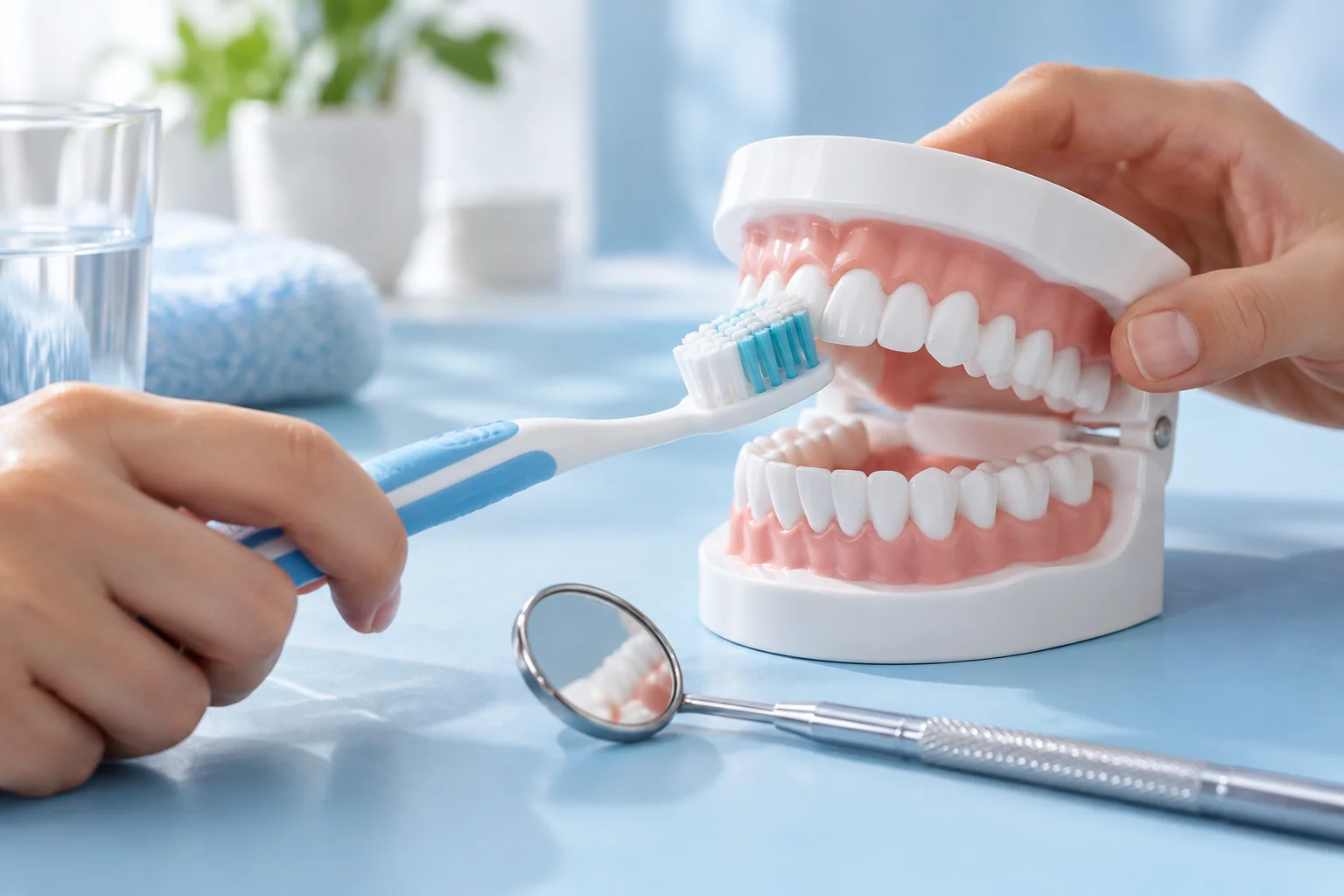
It is common to worry that removing deposits from teeth might also remove enamel. A professional cleaning is designed to remove plaque, tartar and some surface stains while preserving tooth structure. Your dentist chooses instruments and techniques for your individual needs.
Sensitivity or a different feeling after cleaning does not by itself mean enamel has been damaged. Understanding what happens during a visit can help you discuss concerns and make an informed decision about your care.
What does a professional cleaning remove?
Plaque is a soft film that forms on teeth. If it is not removed, it can harden into tartar, which a dental professional can remove with suitable instruments. A cleaning may include scaling and polishing, depending on your assessment. It is different from a whitening treatment, which aims to change tooth colour.
Dental teams are trained to select and use instruments appropriately. Tell them about exposed roots, existing sensitivity, restorations, braces or any previous difficult experience before they begin.
Why might teeth feel different afterwards?
When deposits are removed, surfaces that were covered can feel different to your tongue. Teeth or gums can also be temporarily sensitive, especially if gums were inflamed or root surfaces are exposed. The cause varies between people, so ask your dentist to assess persistent symptoms rather than guessing.
If you already have sensitive teeth, the team may suggest changes to the technique or home-care routine. Read more about common causes of sensitive teeth.
Can cleaning make teeth loose?
Heavy tartar can sometimes hide an existing gum problem. When deposits are removed, a tooth may feel different, but a sensation alone cannot identify the cause. A dentist can assess the supporting gums and bone and explain any mobility. Arrange an appointment if a tooth feels loose or your bite changes.
Will gaps appear after scaling?
Deposits or swollen gums can conceal the natural spaces between teeth. After cleaning and as inflammation settles, spaces may be more noticeable. Your dentist can assess the area and explain what you are seeing, especially if you have concerns about gum recession.
What about enamel wear?
Enamel can be affected by several factors, including acid exposure, grinding and overly forceful brushing. A dentist can look for signs of wear and recommend care suited to the cause. Avoid trying to scrape tartar off your own teeth with sharp tools: you could injure the gums or tooth surfaces.
Questions to ask before your cleaning
- What did you find during my gum and tooth examination?
- Which areas need cleaning, and why?
- Can you adapt the appointment for my sensitive teeth?
- What should I expect afterwards and when should I call?
- How often should I return for a review?
Looking after your teeth after the visit
Follow the advice your dental professional gives you. Use a soft toothbrush and fluoride toothpaste, and clean between teeth gently. If sensitivity is bothering you, ask whether a toothpaste for sensitive teeth is suitable. Avoid pressing harder to make teeth feel cleaner.
Contact your dentist if pain is severe, increases, or persists beyond the period they advised. Explore our teeth cleaning services and our explanation of scaling and deep cleaning.
What if I have fillings, crowns or braces?
Tell the clinician about restorations and appliances, even if you think they are easy to see. A filling, crown or orthodontic bracket may need a different cleaning approach from an unrestored tooth. Your dentist can check the edges for deposits and select suitable instruments. If a restoration already feels loose or uncomfortable, mention it before the appointment.
Cleaning and whitening are different
Removing surface stains can make teeth look brighter, but polishing does not necessarily change their underlying colour. Whitening uses a different approach and should be discussed separately with a dental professional. If you have sensitive teeth, worn enamel or gum concerns, an assessment can help you understand which options may be appropriate.
When sensitivity needs another look
Brief sensitivity to cold or touch can have several explanations. Keep track of which tooth is affected, whether it hurts only with a trigger and whether the discomfort is improving. Contact your dentist when pain is severe, getting worse or lasting longer than the recovery period they described. A single painful tooth, swelling or pain on biting may need a separate examination.
At home, gentle brushing matters. Use a soft brush, avoid excessive pressure and ask for advice before trying abrasive whitening products or homemade scrubs. Your clinician can demonstrate a technique that cleans the gumline comfortably.
Frequently Asked Questions
Does a cleaning thin my enamel?
A professional cleaning is intended to remove deposits while preserving tooth structure. Discuss any concern about wear or sensitivity with your dentist.
Why are my teeth sensitive after scaling?
There are several possible reasons, including inflamed gums or exposed root surfaces. Your dentist can assess persistent sensitivity and advise you.
Should I remove tartar at home?
Do not scrape it with sharp instruments. A professional can remove hardened deposits and show you how to manage plaque safely at home.
How often should I get my teeth cleaned?
Your dentist will recommend an interval based on your gum health, plaque levels and other individual risks.
Further reading
Book a Consultation
It’s easy and free!