Mouth ulcers - those small, painful sores inside the mouth - are extremely common and usually harmless, healing on their own within a week or two. But they can be sore enough to make eating and talking uncomfortable, and occasionally they point to something that needs attention. Here’s what causes them, how to ease them, and when to get one checked.
A sore mouth can also come from ill-fitting dental work or sharp edges rubbing the tissue. If yours keep appearing in the same spot, mention it at your next visit - you can book easily via our clinic.
What Causes Mouth Ulcers
- Minor injury - biting the cheek, a hard toothbrush, sharp food, or braces rubbing
- Stress and tiredness
- Certain foods - acidic or spicy items can trigger them in some people
- Hormonal changes
- Nutritional gaps - such as iron, vitamin B12, or folate
- Sensitivity to some toothpastes (those with SLS) in certain people
- Sometimes linked to underlying health conditions
Easing the Discomfort
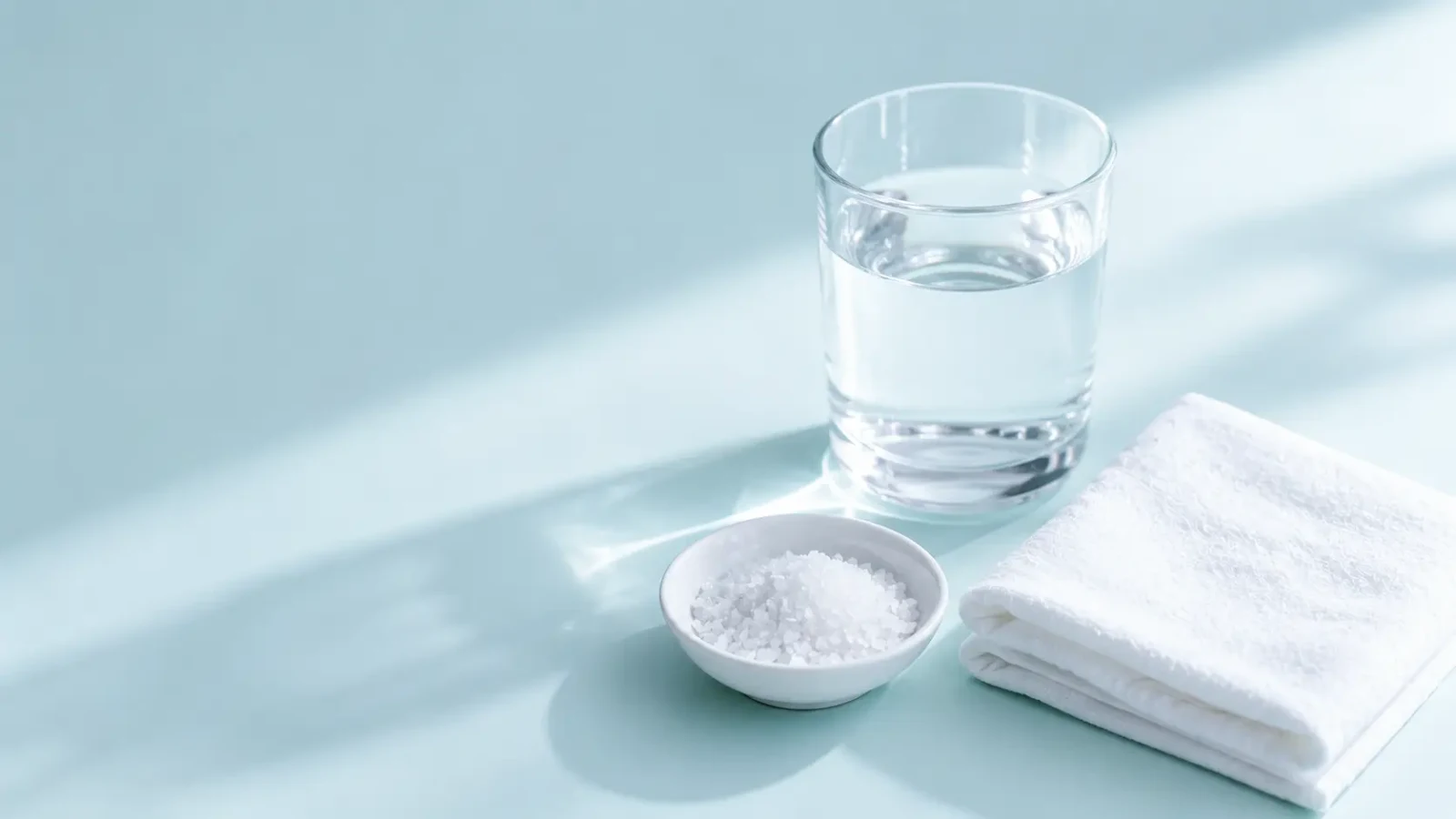
- Rinse with warm salt water to soothe and keep it clean
- Use an over-the-counter ulcer gel or protective paste
- Avoid spicy, acidic, salty, and very hot foods while it heals
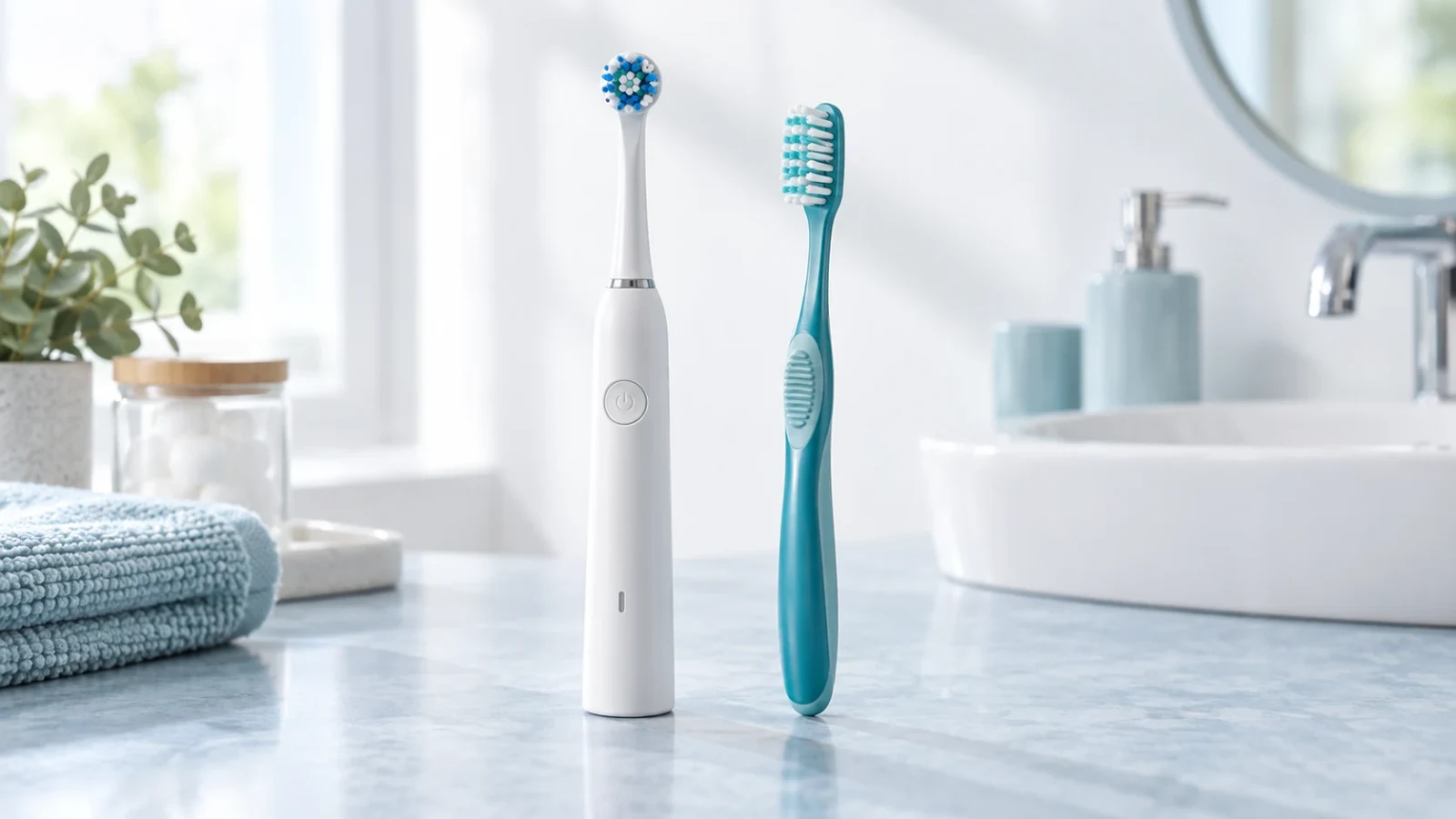
- Choose a soft toothbrush and brush gently around it
- Try a toothpaste without SLS if you get them often
- Stay hydrated and manage stress where you can
Key fact: The clearest warning sign is time. Most ulcers heal within two weeks. Any mouth ulcer or sore patch that lasts longer than three weeks should always be examined by a dentist, as persistent sores are one thing worth ruling out early.
Types of Mouth Ulcer
- Minor ulcers - small, common, heal within a week or so
- Major ulcers - larger and deeper, taking longer to heal
- Herpetiform ulcers - clusters of tiny ulcers that merge
- Cold sores - different: caused by a virus and appear on the lips
When to See a Dentist at a Glance
| Situation | What to Do |
|---|---|
| Occasional, heals in 1–2 weeks | Self-care at home |
| Recurring frequently | Mention at a check-up |
| Lasts more than 3 weeks | See a dentist promptly |
| Unusually large or spreading | Get it examined |
| A sharp tooth or denture rubbing | Have it smoothed/adjusted |
⚠ Important: A mouth ulcer or red or white patch that does not heal within three weeks, is painless but persistent, or keeps returning in the same place should be checked without delay. Early examination is always the safest course.
Got a sore that won’t heal?
If a mouth ulcer has lasted more than a couple of weeks, book a visit to The Dentart, Sarjapura, Bengaluru. A quick examination gives peace of mind and the right treatment.
Frequently Asked Questions
Mouth ulcer questions our patients in Sarjapura ask most.
How long should a mouth ulcer take to heal?
Most heal within one to two weeks. Anything lasting more than three weeks should be examined.
What’s the fastest way to heal an ulcer?
Keep it clean with salt-water rinses, protect it with an ulcer gel, and avoid spicy, acidic, and hot foods while it settles.
Why do I keep getting mouth ulcers?
Common triggers include stress, minor injury, certain toothpastes, and nutritional gaps. Frequent ulcers are worth discussing at a check-up.
Are mouth ulcers contagious?
Ordinary mouth ulcers aren’t. Cold sores on the lips, which are viral, are - and are a different condition.
Could a sharp tooth be causing it?
Yes - a rough filling, chipped tooth, or denture edge can rub and cause repeated ulcers in one spot. We can smooth or adjust it.
Final Takeaway
Mouth ulcers are common, usually harmless, and mostly manageable at home with gentle care and by avoiding irritating foods. The one rule worth remembering is the three-week mark: any sore that hasn’t healed by then, or keeps returning to the same spot, deserves a professional look.
Book a visit to The Dentart, Sarjapura, if a sore is lingering or recurring.
You May Also Find Helpful
Book a Consultation
It’s easy and free!