Braces make it harder to reach some tooth surfaces, especially where wires and brackets meet the gumline. Even with a careful home routine, plaque can collect in places that are difficult to see. Professional cleaning gives your dental team a chance to assess those areas and help you protect your teeth while they move.
If you wear fixed braces, you can usually continue regular dental visits alongside orthodontic appointments. Your dentist will tailor the cleaning to your teeth, gums and appliances, and coordinate with your orthodontist when needed.
Why cleaning matters when you have braces
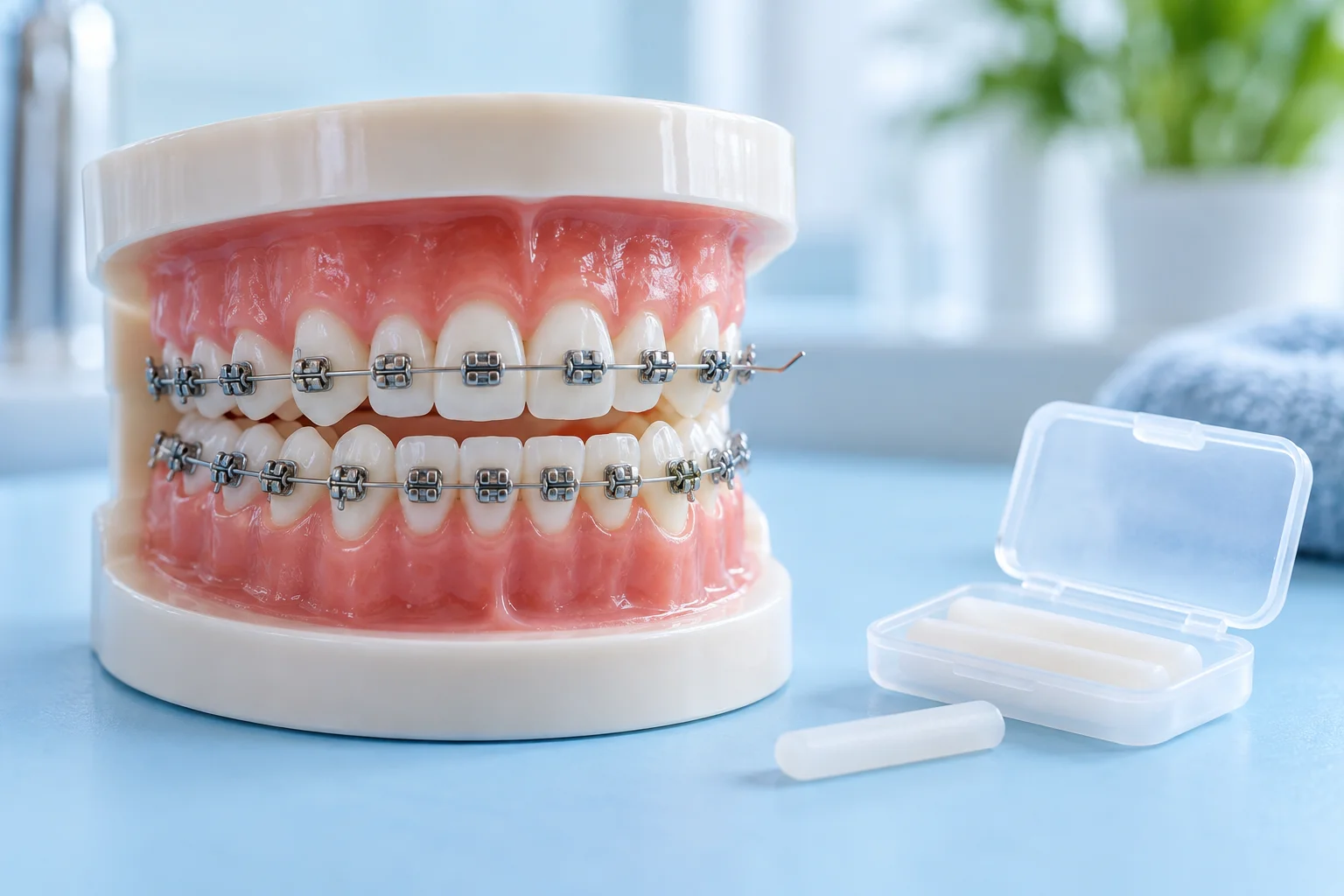
Brackets and wires create extra edges where plaque can settle. Plaque left near the gums can irritate them, while plaque around brackets can contribute to white marks or decay. A professional visit helps identify trouble spots early and reinforces the home care that protects your smile throughout treatment.
Cleaning appointments and adjustments have different purposes. Your orthodontist checks how treatment is progressing; your regular dentist checks your overall dental and gum health. Ask each professional how often you should return.
What happens at the appointment?
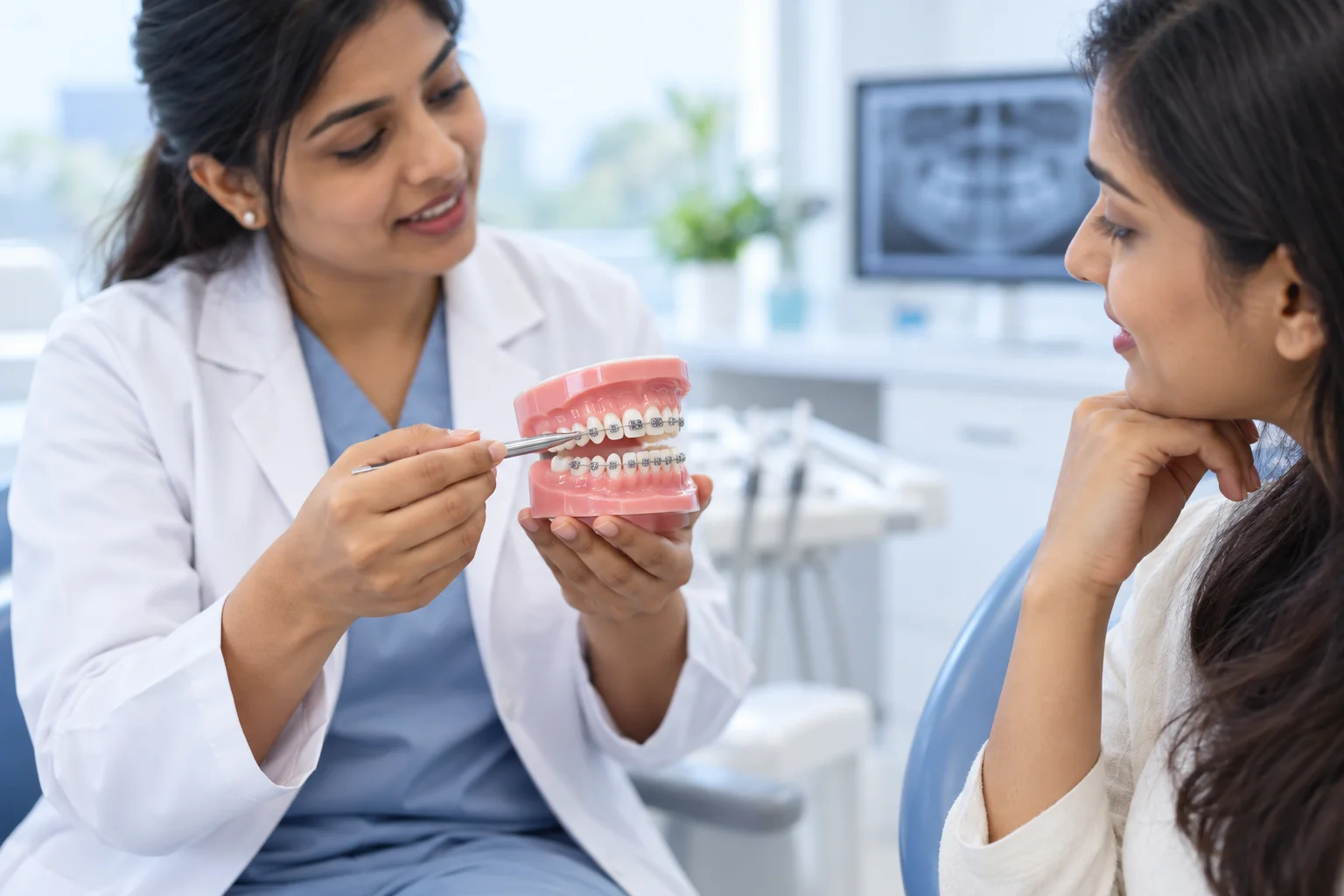
The dentist or dental hygienist will ask about pain, bleeding, sensitivity and any loose parts of your braces. They will examine your teeth and gums, then remove deposits where necessary using appropriate instruments. They may polish suitable surfaces and show you how to reach areas you are missing.
Your wires are not routinely removed solely for cleaning. If an appliance needs special handling, your dental team can advise and arrange coordination with your orthodontist. Tell them about a loose bracket or poking wire before treatment starts.
Is cleaning painful with braces?
You may feel pressure or brief sensitivity, especially if your gums are inflamed or a tooth is already sensitive. Tell the clinician when something hurts: they can pause, adjust their technique or discuss options for comfort. Persistent or worsening pain deserves a follow-up rather than being ignored.
How to prepare for your visit
- Bring details of your orthodontic treatment and mention any recent changes.
- Tell the team about sensitive teeth, bleeding gums and medicines you take.
- Brush as usual before your appointment and bring your cleaning aids if you would like advice on using them.
- Ask whether the visit should be coordinated with an upcoming wire change.
Cleaning at home between visits
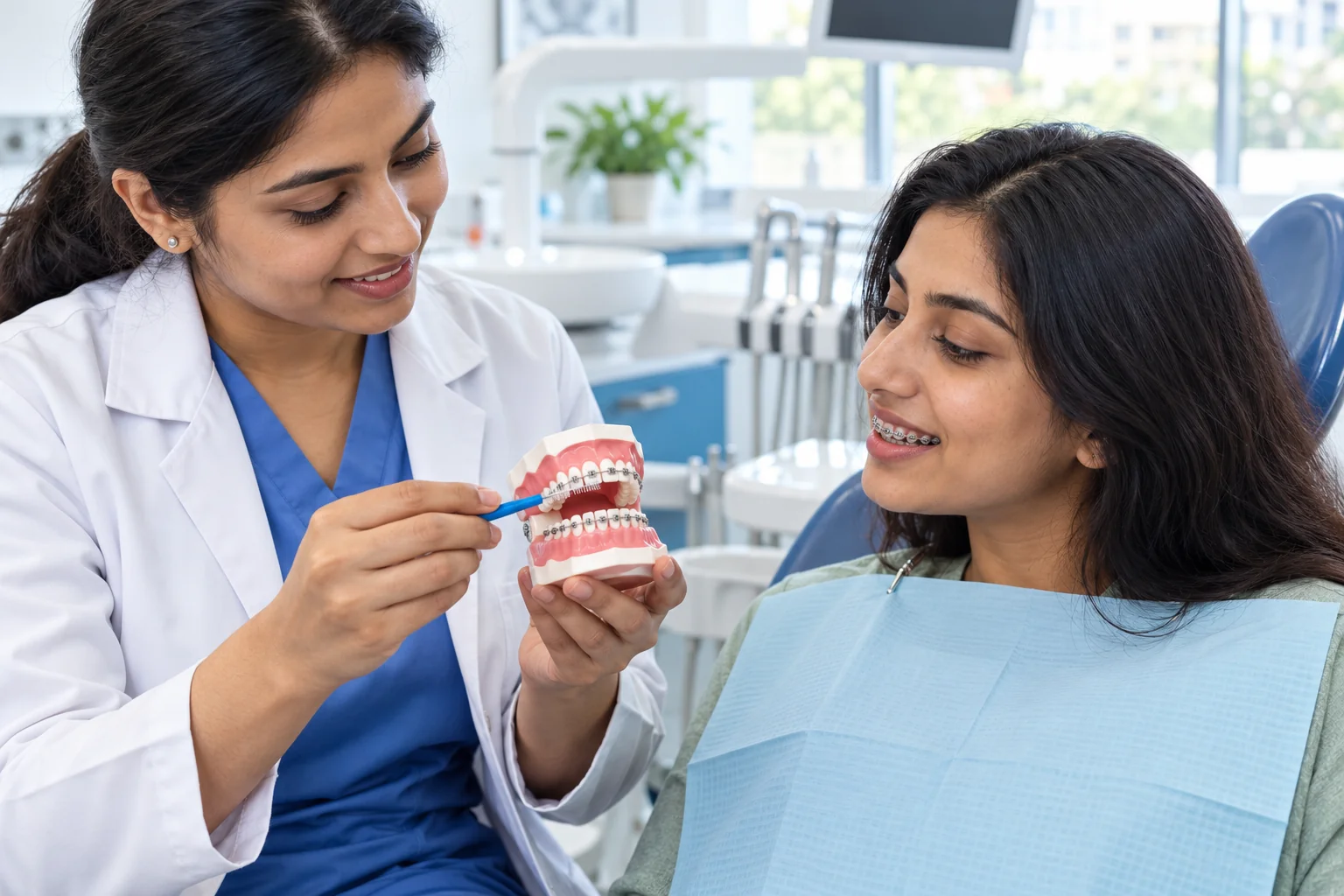
Brush twice daily with fluoride toothpaste, working gently along the gumline and above and below each bracket. Angle the brush so the bristles reach the edges of the appliance. An interdental brush of a suitable size can help clean between teeth and around the wire; your team can demonstrate how to use one without forcing it.
Floss or another recommended interdental aid helps clean between teeth. A floss threader may make it easier to pass floss beneath a fixed wire. Take your time and ask for a technique that suits your particular appliance. See our brushing and flossing guide for general advice.
How often should you have a cleaning?
There is no single interval that suits everyone with braces. Your dentist may consider gum inflammation, plaque levels, decay risk, your medical history and how well you can clean around your appliance. Follow the individual schedule recommended after your examination.
When to contact your dental team
Arrange an assessment if your gums continue to bleed, become swollen or painful, or if you notice persistent sensitivity or a new mark around a bracket. Contact your orthodontist about loose or broken parts. Seek urgent care for severe swelling, uncontrolled bleeding or difficulty breathing or swallowing.
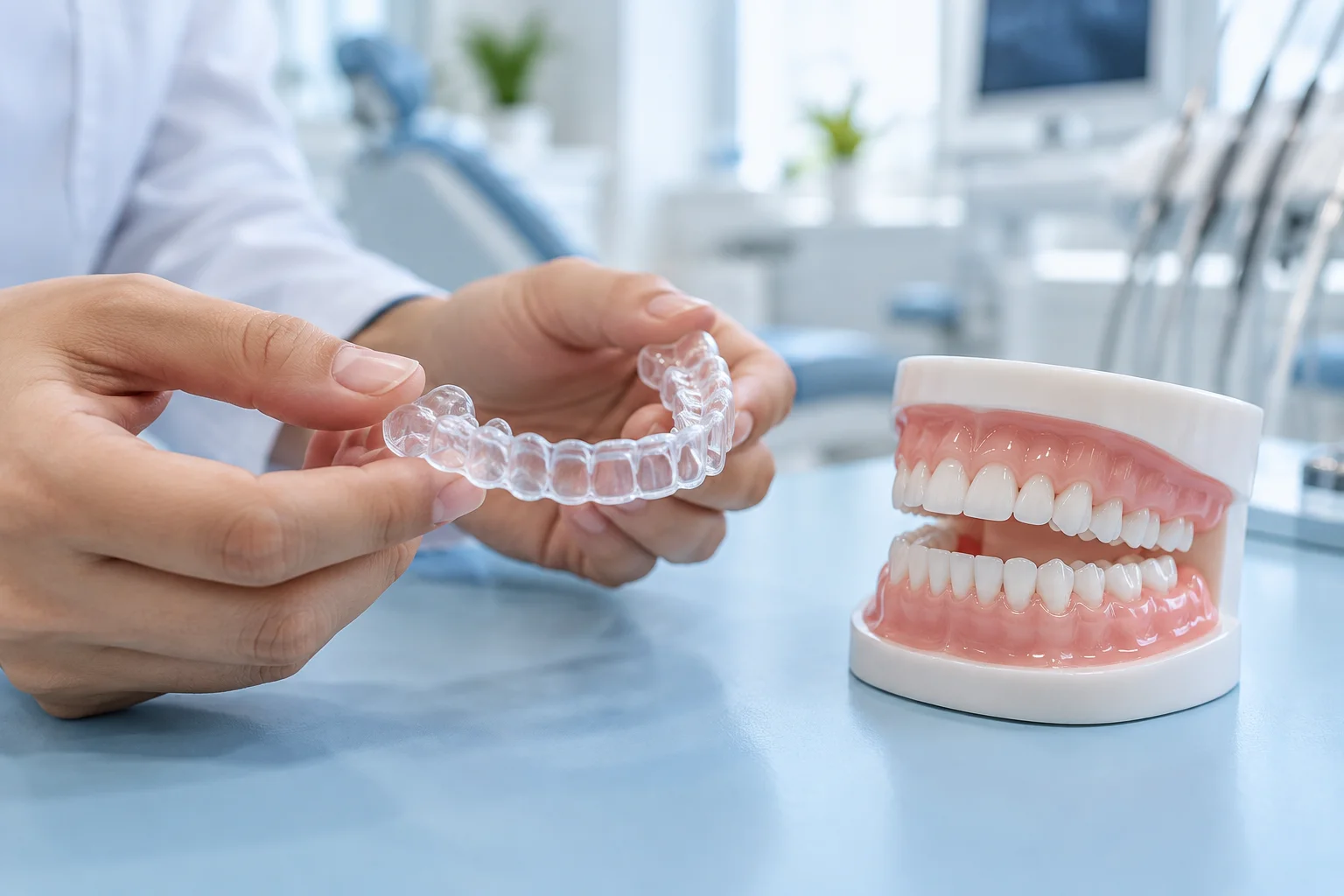
Learn more about braces and invisible aligners or discuss teeth cleaning with The Dentart team.
Understanding plaque, tartar and white spots
Plaque is a film of bacteria that forms on teeth throughout the day. It can collect against the edge of a bracket or beneath a wire even when the front of the tooth looks clean. If plaque stays in place, minerals in saliva can harden it into tartar. Regular home cleaning controls plaque; your dental professional can remove tartar during an appropriate visit.
White spots near brackets can be an early sign that minerals have been lost from the enamel. Not every pale area means the same thing, and a cleaning cannot necessarily reverse a mark. Your dentist can look at the affected surface, discuss fluoride and suggest a plan based on what they find.
Making your routine easier
Use a mirror and work in the same order each time so that you do not overlook the back teeth. Start at the gumline, then angle the brush above and below the brackets before cleaning the inner and chewing surfaces. An electric toothbrush can be an option if you find it easier; ask your team which brush head and technique suit your appliance.
If you struggle to fit an interdental aid under the wire, take it to your next visit. A demonstration and a different size or shape may make the routine more manageable. Do not bend wires or use a sharp instrument to remove deposits yourself.
Frequently Asked Questions
Can I have a cleaning while wearing fixed braces?
Usually, yes. Tell your dentist about your appliance and any loose or uncomfortable parts so the visit can be planned safely.
Will the dentist remove my braces?
Braces are not routinely removed for a cleaning. Your dentist and orthodontist can coordinate if your situation requires a different approach.
Can a cleaning remove white marks around brackets?
Cleaning removes deposits, but a white mark can have different causes and may need a separate assessment. Ask your dentist about the right care.
Should I stop brushing if my gums bleed?
Keep cleaning gently and arrange a dental assessment if bleeding continues. Your clinician can check the cause and demonstrate a suitable technique.
Further reading
Book a Consultation
It’s easy and free!