
Seeing blood when you brush around braces can be unsettling. Brackets and wires create extra places for plaque to collect, and irritated gums may bleed when cleaned. Brushing too forcefully or another dental concern can also be involved, so a proper assessment matters if bleeding continues.
Gentle daily cleaning and timely advice from your dental team can help you care for your gums throughout orthodontic treatment.
Why might gums bleed with braces?
Plaque can accumulate at the gumline and around fixed appliances. When gums become inflamed, they may look red or swollen and bleed during brushing or cleaning between teeth. A hard brushing technique may also irritate the area. Medicines and other health conditions can influence bleeding, so tell your dentist about your medical history.
Bleeding is a sign worth investigating, not a diagnosis on its own. Your clinician can examine your gums and help identify the likely cause.
Should you stop brushing the area?
Do not avoid the gumline simply because it bleeds. Use a soft toothbrush and clean gently but thoroughly. If the area is painful, ask your dentist or orthodontist to demonstrate a comfortable technique and check whether a wire or bracket is rubbing.
A practical cleaning routine
- Brush twice a day with fluoride toothpaste, using small gentle movements at the gumline.
- Clean above and below the brackets, then brush the chewing and inner surfaces.
- Use a suitably sized interdental brush around the wire and between teeth as advised.
- Use floss with a threader or another recommended aid to clean between teeth without forcing it.
- Rinse your cleaning aids and replace a worn toothbrush.
Your appliance and the spaces between your teeth are individual. Bring your toothbrush and interdental aids to your appointment if you would like a demonstration. See our guide to brushing and flossing for more general tips.
When should you book an appointment?
Contact your dentist if bleeding continues, gums are swollen or sore, you notice persistent bad breath, or a tooth feels loose. Tell your orthodontist if a bracket is loose, a wire is poking, or the appliance makes cleaning difficult. You may need both routine dental care and orthodontic review.
Seek urgent medical help for swelling affecting breathing or swallowing, rapidly spreading facial or neck swelling, or bleeding that cannot be controlled. Severe dental pain or significant swelling also needs prompt dental advice.
What can the dentist do?
The clinician can check the gums and teeth, look for plaque and tartar, and recommend appropriate professional cleaning or further care. They can also review whether a particular cleaning tool fits safely around your braces. The plan depends on what they find rather than assuming all bleeding has the same cause.
How to reduce irritation between visits
Choose soft bristles, avoid aggressive scrubbing and replace a brush whose bristles have spread. If an interdental brush does not pass comfortably, ask about another size rather than forcing it. Continue regular appointments and let your team know about changes in your health or medication.
Learn more about gum care and orthodontic treatment at The Dentart.
What if a bracket or wire is rubbing?
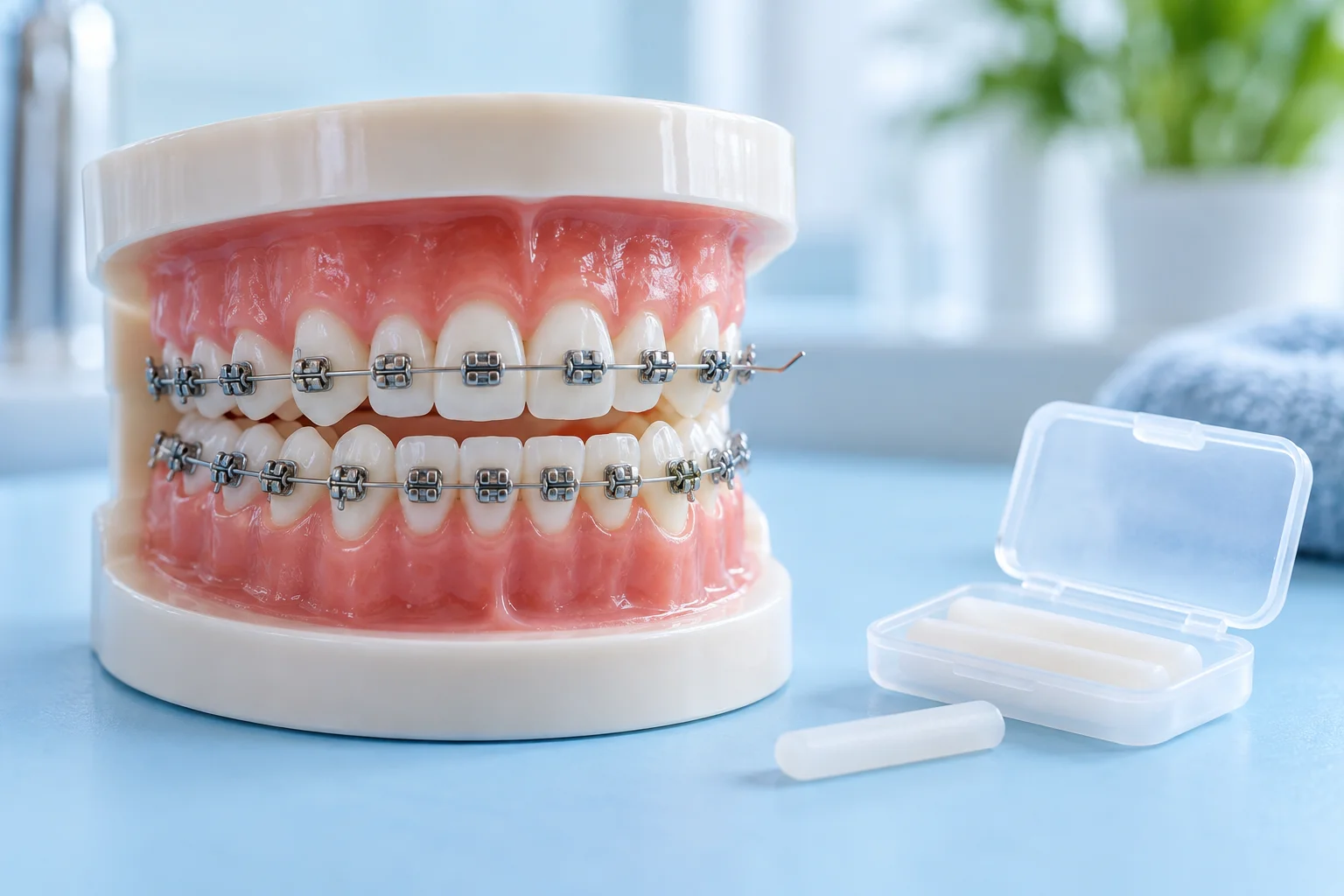
A loose bracket or protruding wire can irritate soft tissue and make brushing awkward. Contact your orthodontist for advice, especially if a part has moved or is causing ongoing soreness. Orthodontic wax may help cover an irritating area temporarily if your team recommends it. Do not cut a wire or try to detach a bracket yourself.
If you have knocked a tooth or injured your mouth, explain what happened when you call. Your team can advise how urgently you need to be seen and whether both a dental and orthodontic review are appropriate.
How long should you monitor bleeding?
There is no reliable waiting period that fits everyone. Occasional mild bleeding after a change in technique may have a straightforward explanation, but ongoing bleeding, increasing swelling or pain warrants a dental assessment. If bleeding is heavy or difficult to stop, seek urgent care rather than waiting for a routine appointment.
Keep regular dental reviews
Orthodontic adjustments are important, but they do not replace examinations with your regular dentist. The dentist can check for plaque, cavities and gum inflammation while your orthodontist monitors tooth movement and the appliance. Agree a review schedule with both teams and tell them if your cleaning routine is becoming difficult.
Frequently Asked Questions
Are bleeding gums normal with braces?
They can occur when gums are irritated, but persistent bleeding should be checked so your dental team can identify the cause.
Can I floss with a fixed wire?
Yes. A floss threader or another interdental aid may help. Ask your team to show you a method that suits your braces.
Will a mouthwash replace brushing?
No. Mouthwash does not replace physically cleaning the teeth and spaces between them. Ask your dentist whether a rinse is suitable for you.
Should I see my dentist or orthodontist?
Your dentist can assess gum health; your orthodontist can check the appliance. Contact either team for advice and they can coordinate your care.
Further reading
Book a Consultation
It’s easy and free!