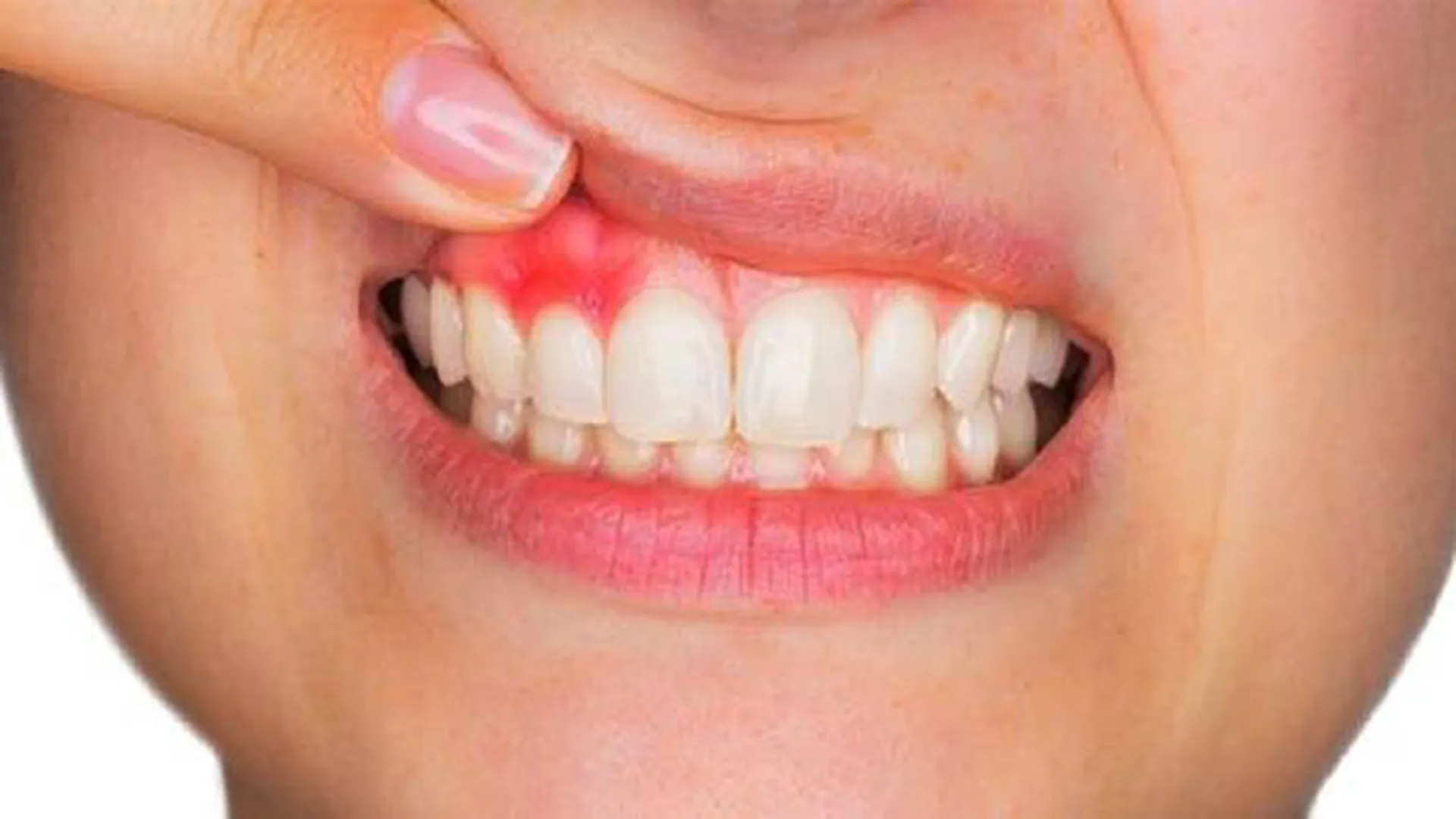
Why gums bleed, how to spot gum disease early, and how it’s treated — a clear guide to protecting your gums from The Dentart, Sarjapura, Bengaluru.

Gums that bleed when you brush or floss are not normal — they’re usually the first sign of gum disease. The encouraging news is that, caught early, it’s completely reversible. Left alone, it can quietly progress to the leading cause of tooth loss in adults. Here’s how to recognise it, treat it, and keep it away.
Bleeding = warning
not something to ignore
Reversible early
at the gingivitis stage
#1 cause
of adult tooth loss
Daily cleaning
the main defence
Gum disease starts with the same plaque that causes tooth decay, so the two are closely linked. Our cavity-prevention guide covers the daily habits that protect your gums as well as your teeth.
Spotting the Signs Early
- Gums that bleed when brushing or flossing
- Red, swollen, or tender gums (healthy gums are firm and pink)
- Persistent bad breath or a bad taste
- Gums that look like they’re pulling away from the teeth
- Teeth that feel loose, or a bite that feels different
Gingivitis vs Periodontitis
- Gingivitis — the early, reversible stage; inflammation of the gums only
- Periodontitis — the advanced stage where the bone supporting teeth is damaged; manageable but not fully reversible
The difference matters: gingivitis can often be turned around in a couple of weeks with better cleaning and a professional scale and polish. Periodontitis needs ongoing professional care to stop it progressing.
How Gum Disease Is Treated
- Professional cleaning to remove plaque and hardened tartar
- Deep cleaning (scaling and root planing) for deeper pockets
- Improved home care — brushing technique and daily flossing
- Regular maintenance visits to keep it under control
- Addressing risk factors such as smoking
Key fact: Gum disease is strongly linked to general health — including diabetes and heart health. Inflammation in the gums doesn’t stay in the mouth, and poorly controlled diabetes and gum disease tend to make each other worse. Healthy gums are part of a healthy body.
Healthy vs Unhealthy Gums at a Glance
| Healthy Gums | Warning Signs |
|---|---|
| Firm and pink | Red and puffy |
| Don’t bleed when cleaned | Bleed with brushing/flossing |
| No persistent bad breath | Ongoing bad breath |
| Sit snugly around teeth | Receding or pulling away |
| Teeth feel stable | Teeth feel loose |
⚠ Important: Don’t stop brushing an area because it bleeds — that usually makes inflammation worse. Gentle, thorough cleaning is what reduces the bleeding. If bleeding continues for more than a week or two despite good cleaning, see a dentist.
Notice your gums bleeding?
Don’t wait for it to get worse. Book a gum check and professional clean at The Dentart, Sarjapura, Bengaluru — early action is simple and very effective.
Frequently Asked Questions
Gum-health questions our patients in Sarjapura ask most.
Why do my gums bleed when I brush?
Almost always because of plaque build-up irritating the gums. With better daily cleaning and a professional clean, healthy gums usually stop bleeding.
Is gum disease reversible?
The early stage (gingivitis) is fully reversible. The advanced stage (periodontitis) can be controlled and stabilised, but lost bone doesn’t fully return.
Can gum disease cause tooth loss?
Yes — advanced gum disease destroys the bone and support around teeth and is the leading cause of adult tooth loss.
Does smoking affect my gums?
Significantly. Smoking worsens gum disease and can mask the bleeding that would otherwise warn you something is wrong.
How can I keep my gums healthy?
Brush twice daily, floss once a day, don’t smoke, eat well, and have regular check-ups and cleans.
Final Takeaway
Bleeding gums are an early warning, not a minor annoyance. Acted on quickly, gum disease is easy to reverse with good cleaning and a professional clean. Ignored, it can silently cost you teeth and is linked to your wider health. If your gums bleed, treat it as a signal to act — not to brush less.
Book a gum check at The Dentart, Sarjapura, and protect your smile from the most common cause of tooth loss.
You May Also Find Helpful
- How to Prevent Cavities: A Practical Daily Guide
- Dental Implants: A Complete Guide to Replacing Missing Teeth
- Children’s Dental Care: Milestones, Habits & First Visit
Tags: Gum Disease · Bleeding Gums · Gingivitis · Oral Health
Book a Consultation
It’s easy and free!