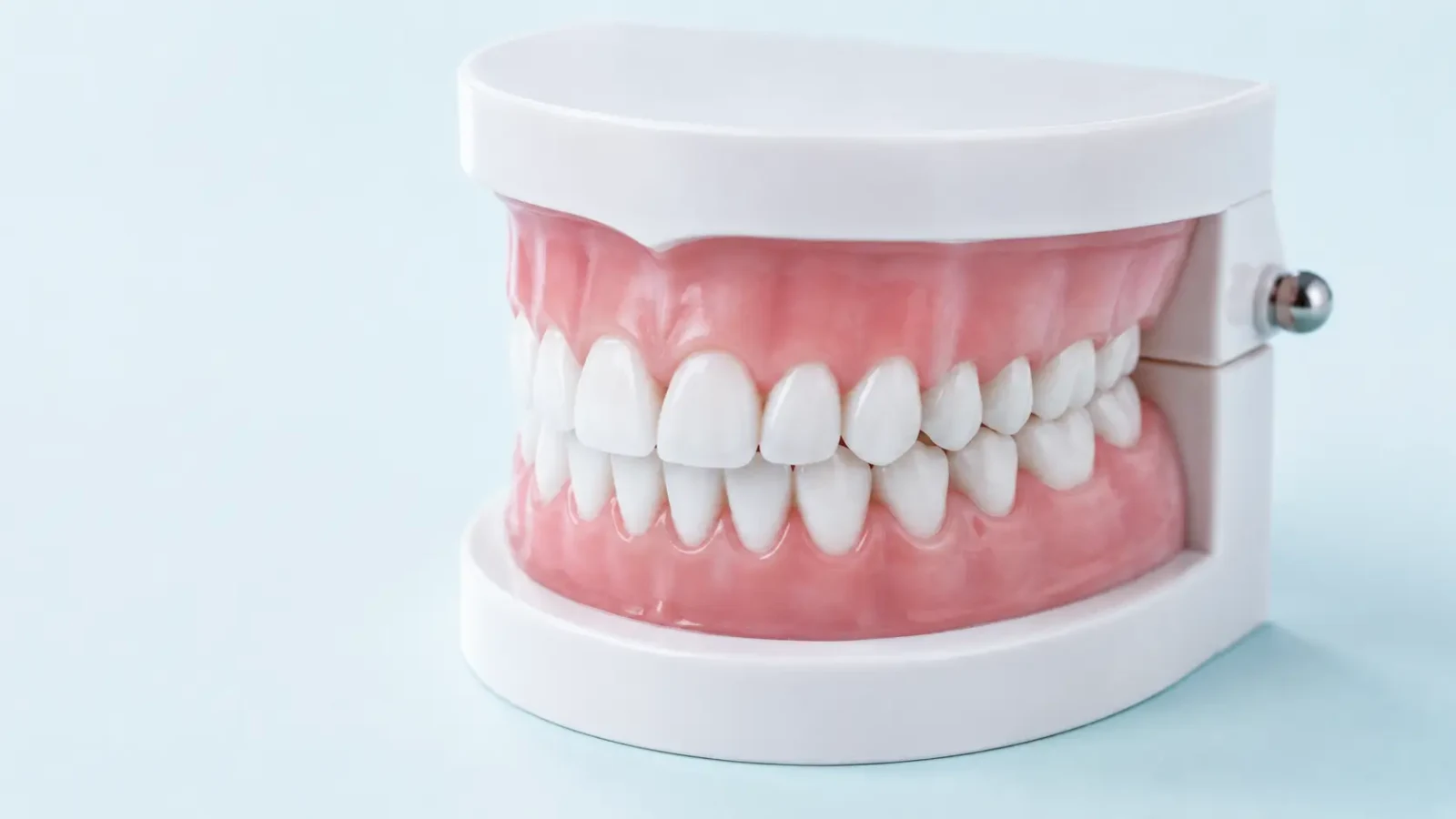
Malocclusion simply means the teeth don’t meet the way they should. It covers everything from mildly crowded front teeth to bites that make chewing genuinely difficult. Beyond appearance, a poor bite wears teeth unevenly, strains the jaw, and makes cleaning harder. Here are the main types and why correcting them matters.
How a bite is corrected depends on its type and your age. Our aligners vs braces guide explains which appliances suit which problems.
The Main Types of Bad Bite
- Crowding - not enough space, so teeth overlap and twist
- Spacing - gaps between teeth
- Overbite - upper front teeth cover the lower ones too much
- Overjet - upper front teeth stick out forwards
- Underbite - lower teeth sit in front of the upper teeth
- Crossbite - upper teeth bite inside the lower ones, at the front or sides
- Open bite - front teeth don’t meet when the back teeth are together
What Causes It
- Inherited jaw size and tooth size - by far the biggest factor
- Baby teeth lost too early, letting other teeth drift into the space
- Prolonged thumb-sucking or dummy use in childhood
- Missing adult teeth, or extra ones
- Teeth drifting after a tooth is lost in adulthood
- Injury affecting jaw growth
Why It Matters Beyond Appearance
- Uneven wear - teeth taking too much force chip, flatten, or crack
- Harder cleaning - overlapping teeth trap plaque, raising decay and gum disease risk
- Jaw strain - an unbalanced bite can contribute to muscle ache and clicking
- Chewing and speech - significant open bites or underbites affect function
- Injury risk - protruding front teeth are far more likely to be damaged
Key fact: A bad bite quietly concentrates chewing force on a few teeth instead of spreading it across all of them. Over years, those overloaded teeth wear down, chip, or fracture - which is why correcting a bite is preventive dentistry as much as cosmetic.
How Bite Problems Are Corrected
- Braces or clear aligners - the mainstay for aligning teeth and closing bites
- Growth guidance appliances - in children, while the jaws are developing
- Extractions - occasionally needed to create space in severe crowding
- Combined surgical treatment - for significant skeletal differences in adults
- Retainers - always, to hold the corrected bite
Bite Types at a Glance
| Type | What You Notice |
|---|---|
| Crowding | Overlapping, twisted teeth |
| Overjet | Upper front teeth stick out |
| Underbite | Lower jaw looks forward |
| Crossbite | Jaw may shift when closing |
| Open bite | Front teeth never meet |
⚠ Important: A crossbite that makes the jaw shift sideways when closing should be assessed early, particularly in children. Left uncorrected it can lead to uneven jaw growth and facial asymmetry that becomes much harder to treat once growth is complete.
Concerned about your bite?
Book an orthodontic assessment with Dr. Neethu John at The Dentart, Sarjapura, Bengaluru. We’ll explain exactly what’s happening with your bite and what can be done.
Frequently Asked Questions
Bite questions our orthodontic patients in Sarjapura ask most.
Do I need to fix my bite if it doesn’t hurt?
Not every bite needs treating. But if teeth are wearing, chipping, hard to clean, or the bite is getting worse, correcting it prevents bigger problems.
Can a bad bite cause jaw pain?
It can contribute, alongside grinding and stress. An assessment helps identify what’s driving the discomfort.
Is malocclusion inherited?
Largely, yes - jaw and tooth size are inherited. Habits and early tooth loss can make it worse.
Can adults correct a bite?
Yes. Tooth movement works at any age; very large skeletal differences may need combined surgical treatment.
Will my teeth stay straight after treatment?
With retainers, yes. Without them, teeth drift back - retention is part of every bite correction.
Final Takeaway
Malocclusion is common and ranges from cosmetic to genuinely functional. What matters is whether your bite is damaging your teeth, making them hard to clean, or straining your jaw. An assessment tells you which category you’re in - and modern orthodontics can correct most bites at almost any age.
Book an assessment at The Dentart, Sarjapura, and get a clear answer about your bite.
You May Also Find Helpful
Book a Consultation
It’s easy and free!