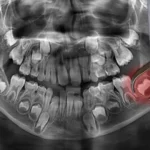
Why teeth move back after braces, the types of retainers, how long to wear them and how to care for them — from The Dentart, Sarjapura, Bengaluru.


Getting your braces off is a great day — but it isn’t the end of treatment. Teeth have a natural tendency to drift back towards their old positions, and the only thing that stops them is a retainer. Wearing it properly is what turns a good result into a permanent one. Here’s what to know.
Lifelong habit
retention never fully stops
2 types
fixed and removable
First year
the highest relapse risk
Clean daily
retainers need care too
Retention is the final stage of orthodontics. If you’re still in treatment, our guide to caring for braces covers the habits that get you to this point on schedule.
Why Teeth Move Back
The fibres and bone around each tooth need time to reorganise in their new position. In the months right after treatment they still ‘remember’ the old alignment and pull the teeth back. On top of that, teeth shift naturally throughout life — which is why retention is a long-term habit rather than a short course.
Types of Retainers
- Fixed (bonded) retainer — a thin wire bonded behind the front teeth; invisible and always working
- Removable clear retainer — a transparent tray worn mostly at night
- Removable wire (Hawley) retainer — durable, adjustable, with a visible front wire
- Many patients have a combination — fixed on the lower teeth, removable on top
How Long You Need to Wear It
- First few months — often full-time or close to it, as advised
- After that — usually nights only
- Long term — a few nights a week, indefinitely, to hold the result
- Your orthodontist will tailor this to your case
Key fact: The first six to twelve months after braces come off carry the highest risk of relapse. Missing retainer wear during this window is the most common reason teeth shift — and re-treatment costs far more time and money than simply wearing the retainer.
Looking After Your Retainer
- Rinse and gently brush removable retainers daily — cool water, no hot water (it warps them)
- Always store them in their case, never wrapped in a tissue
- Keep them away from pets — a surprisingly common casualty
- Clean carefully around a fixed retainer wire with floss threaders or a water flosser
- Bring them to check-ups so we can inspect the fit
Retainer Types at a Glance
| Type | Pros | Things to Note |
|---|---|---|
| Fixed (bonded) | Always working, invisible | Needs careful cleaning |
| Clear removable | Discreet, comfortable | Must remember to wear it |
| Wire (Hawley) | Very durable, adjustable | Front wire is visible |
⚠ Important: If your retainer suddenly feels tight, don’t force it — that usually means teeth have already started shifting. And if it cracks, breaks, or a bonded wire comes loose, contact the clinic quickly rather than leaving it; teeth can move noticeably within weeks.
Lost or broken retainer?
Don’t wait — teeth start moving fast. Contact The Dentart in Sarjapura, Bengaluru and we’ll get a replacement made and protect the result you worked for.
Frequently Asked Questions
Retainer questions our orthodontic patients in Sarjapura ask most.
How long do I have to wear a retainer?
Full-time or near full-time at first, then nights only. To keep teeth stable long term, most people continue wearing them a few nights a week indefinitely.
What if I stop wearing it?
Teeth gradually drift back, sometimes noticeably within months. The change is often hard to reverse without further orthodontic treatment.
How do I clean my retainer?
Rinse it and brush gently with a soft brush and cool water daily. Avoid hot water and harsh toothpaste, which can damage or warp it.
My retainer feels tight after a break — is that normal?
It means teeth have started shifting. Don’t force it — bring it in so we can check the fit and advise.
Can I get a new retainer if I lost mine?
Yes. Come in as soon as possible so we can make a replacement before the teeth move.
Final Takeaway
A retainer protects your investment. Teeth move for life, so retention is a habit rather than a phase — a few nights a week is a small price for a straight smile that lasts. Wear it as advised, keep it clean, and replace it promptly if it breaks.
Book a review at The Dentart, Sarjapura, and we’ll make sure your retainer is doing its job.
You May Also Find Helpful
- Caring for Your Braces: Foods, Cleaning & Common Problems
- Clear Aligners vs Braces: Which Is Right for You?
- Braces for Adults: Is It Ever Too Late?
Tags: Retainers · Orthodontics · Braces · After Braces
Book a Consultation
It’s easy and free!